
Why Australian Hotels Choose Group Orise for Custom OEM Furniture Solutions
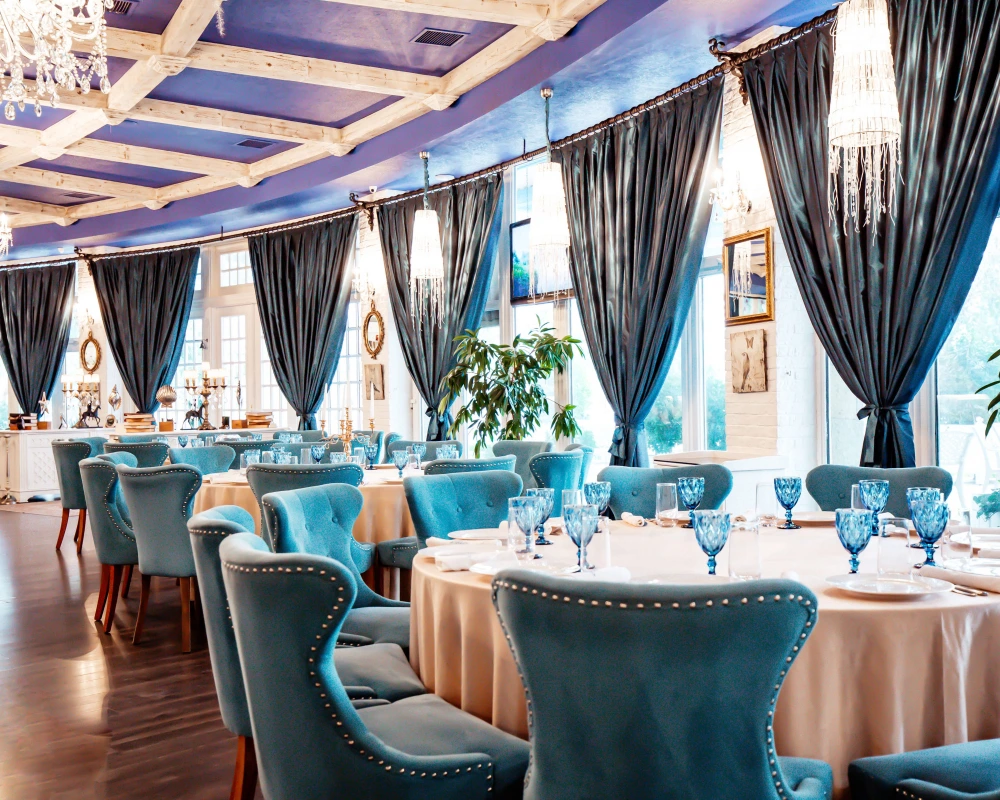
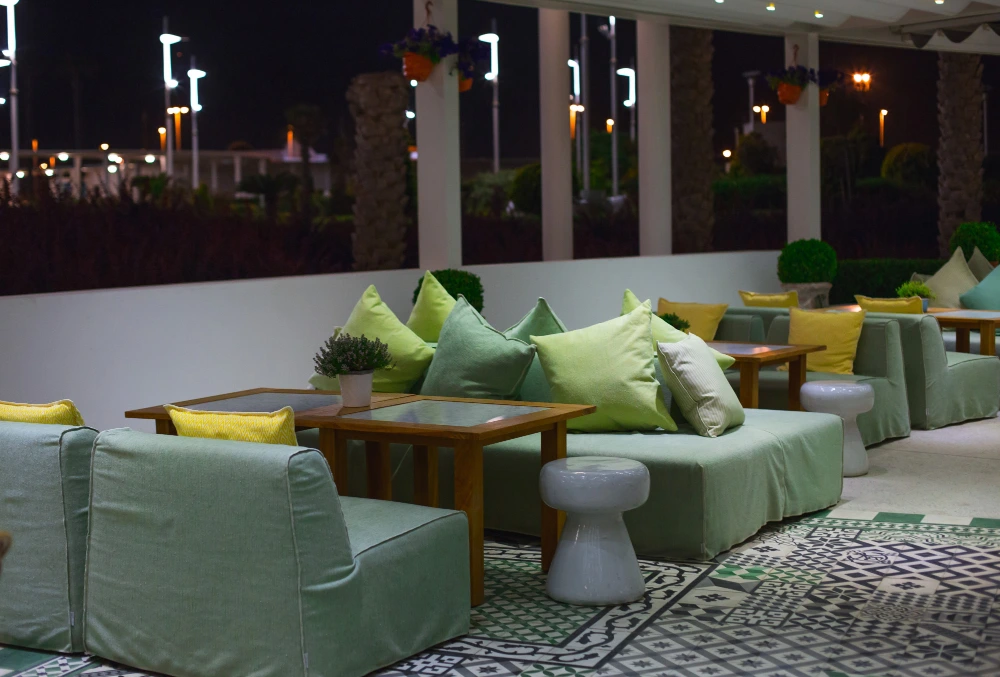
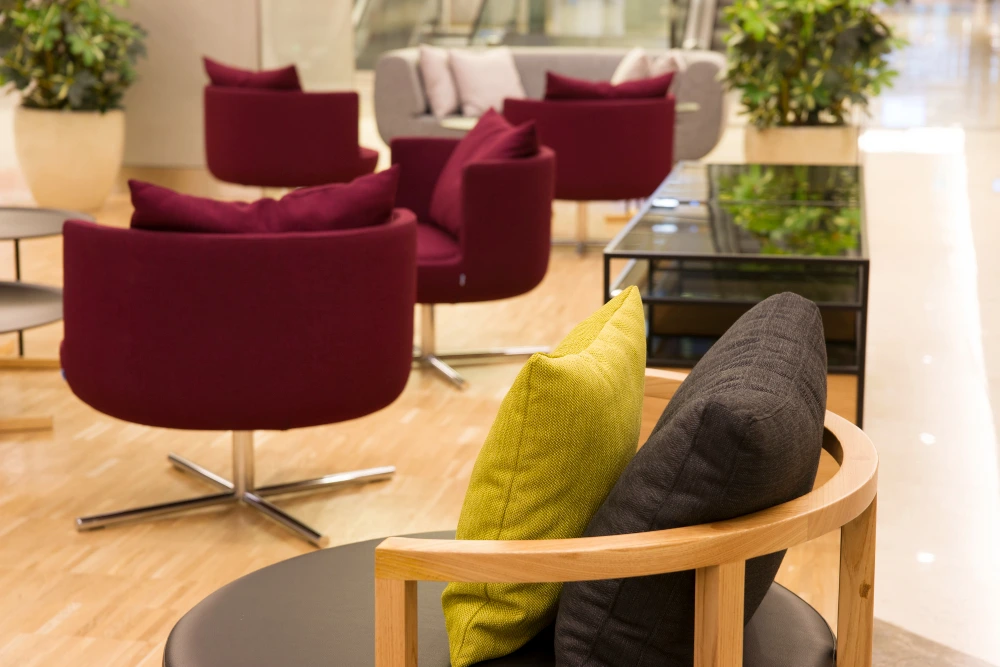
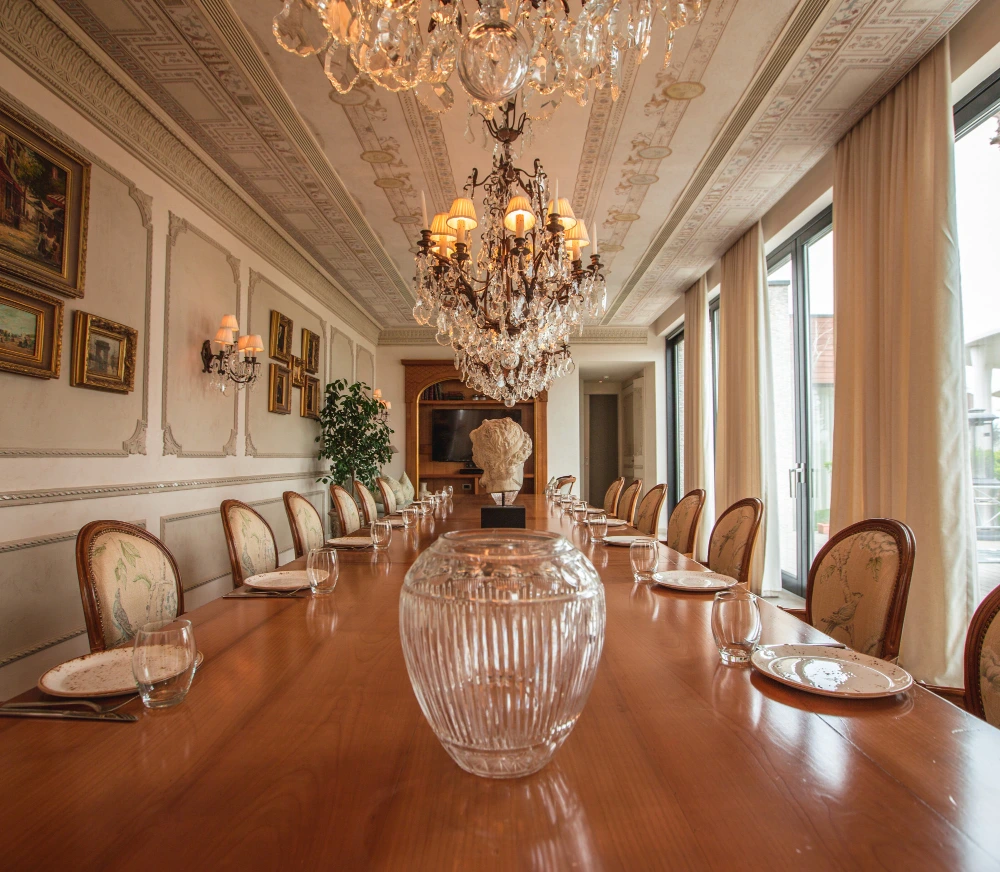
Australian hotels increasingly choose Group Orise for genuine OEM furniture solutions rather than standard catalogue ranges. This overview covers how the manufacturer’s structured customization process, full hospitality catalogue, and planning support help properties get furniture that truly matches their brand. Every hotel property has a brand standard to protect a specific color palette, a particular finish, a look that ties every space together from the lobby to the banquet hall. Off-the-shelf furniture rarely delivers that consistently, which is why more Australian properties are turning to manufacturers who offer genuine custom OEM furniture Australia hotels can actually rely on, rather than a fixed catalogue with limited flexibility. Here’s why Group Orise has become that partner for a growing number of hotels across Australia. What OEM Really Means for a Hotel Property OEM (Original Equipment Manufacturer) furniture means a property isn’t limited to a supplier’s existing product range instead, pieces are built to the property’s own specifications: dimensions, materials, colors, and finishes that match an established brand identity. This matters most for chain properties that need the same look replicated consistently across multiple locations, but it’s just as valuable for independent hotels that want their furniture to feel distinctly their own rather than recognizably “off a shelf.” Group Orise’s positioning as an OEM hospitality furniture manufacturer means this customization isn’t an add-on service it’s built into how the business operates from the first client conversation. Bespoke Furniture Without the Guesswork Ordering bespoke hotel furniture can feel risky for properties that haven’t worked with a custom manufacturer before will the finish actually match what was discussed, will sizing work in the space, will quality hold up at scale? Group Orise addresses this through a structured design and approval process, working closely with clients on specifications before production begins, so there are no surprises once a full order arrives. This structured approach is part of what makes Group Orise a dependable hotel furniture OEM supplier, not just a manufacturer that accepts custom requests on an ad hoc basis. A Full Range of Hospitality Furniture Solutions Group Orise’s hospitality furniture solutions Australia properties rely on span the full operational footprint of a hotel not just guest-facing furniture, but banquet and buffet furniture, live cooking stations, housekeeping and OS&E products, and public area equipment. Covering this much ground under one manufacturer means custom finishes and quality standards stay consistent across an entire property, rather than varying between multiple vendors handling different furniture categories. Planning Custom Furniture the Right Way Solid Furniture Planning for Modern Hotels starts well before the first order is placed. Group Orise works with clients to map out furniture needs department by department lobby, dining, banquet, guest rooms, and back-of-house so custom specifications are planned holistically rather than piecemeal. Before committing to a large custom order, it’s also worth understanding How to Evaluate Hotel Furniture Suppliers properly: checking production capacity, past hospitality projects, and how a manufacturer handles the approval process for bespoke designs. Staying Current While Staying Custom Custom furniture shouldn’t mean disconnected from what’s actually working in hospitality design right now. Group Orise tracks Hotel Furniture Trends closely, and brings that awareness into custom projects so properties aren’t just getting furniture built to spec they’re getting furniture that reflects current hospitality design thinking. For properties still shaping their direction, browsing Creative Furniture Ideas to Transform Hotel Common Areas is a useful starting point before finalizing custom specifications. Where Custom Furniture Makes the Biggest Difference A few areas benefit especially from a genuine OEM approach rather than standard catalogue pieces: Lobbies are where brand identity matters most visibly. Custom Best Hotel Lobby Furniture seating, luggage racks, sign stands, and reception-area pieces lets a property’s lobby feel distinctly its own rather than interchangeable with any other hotel. Coffee and beverage stations are an increasingly visible detail in modern hotels. Group Orise’s approach to Commercial Coffee Bar Design Ideas allows properties to build a coffee station that matches their overall design language rather than bolting on a generic unit. Banquet halls and event spaces need furniture that performs under heavy daily use while still matching a property’s aesthetic. Custom Buffet Layout and Design Solutions let hotels plan cooking stations, serving counters, and seating specifically around their event volume and style, rather than adapting a standard layout to fit. Supporting Every Stage of a Property’s Journey Custom furniture needs shift depending on where a property sits in its lifecycle. The considerations covered in Hotel Furniture for New Properties vs. Renovations show how OEM planning differs between a new build where custom furniture can be designed alongside the property’s architecture from day one and a renovation, where matching existing finishes and minimizing disruption to operations becomes the priority. Why This Approach Works for Australian Hotels Put together, this is why Australian hotels increasingly choose Group Orise over suppliers offering only standard catalogue ranges: Final Thoughts Custom furniture shouldn’t mean added risk or unpredictable results it should mean a property finally gets furniture that actually matches its brand, its space, and its guests’ expectations. Group Orise has built its Australian hospitality business around delivering exactly that, combining genuine OEM capability with a structured process and full-property catalogue coverage. Reach out to the team to discuss a custom furniture project for your property. Frequently Asked Questions How long does a custom OEM furniture order typically take compared to standard catalogue items? Custom orders generally take longer than off-the-shelf pieces due to the design and approval process, but working with an experienced OEM manufacturer like Group Orise keeps this timeline predictable rather than open-ended. Can independent hotels access OEM customization, or is it only for chain properties? OEM customization works for both independent hotels benefit from a distinctive look tailored to their specific brand, while chain properties use it to replicate consistent finishes across multiple locations. What happens if a custom design doesn’t turn out as expected? A structured approval process, including specification sign-off before production, is designed to prevent this properties review finishes, materials, and sizing details
Why Australian Hotels Choose Group Orise for Custom OEM Furniture Solutions Read More »