
Choosing a hotel furniture manufacturer in Australia takes more than comparing catalogues and prices. This guide covers how to evaluate suppliers properly, what genuine customization looks like, and how to plan furniture across every space in a property, from lobbies to buffet stations.
Furnishing a hotel is one of the more consequential decisions a property will make the wrong choice shows up in guest complaints, maintenance costs, and a lobby that looks dated within a few years. Finding the right hotel furniture manufacturer Australia properties can rely on takes more than comparing catalogues; it means evaluating capability, consistency, and long-term support.
Here’s how to actually approach the decision.
Start With Your Property’s Specific Needs
Not every hotel needs the same thing from a furniture partner. A good manufacturer starts by understanding your property’s environment a boutique city hotel, a resort, or a large chain property all have different functional and aesthetic requirements. The right partner balances three things from the outset:
- Function furniture needs to hold up to daily commercial use across guest-facing and back-of-house areas alike
- Aesthetics the finish and style should suit your brand, not force your brand to adapt to a generic catalogue
- Budget a manufacturer should be upfront about what’s achievable within your budget, with clear, fixed pricing rather than surprise costs later
Commercial hotel furniture Australia buyers choose should reflect this balance clearly from the first conversation.
Evaluate Suppliers Properly Before Committing
Before signing off on a large order, it’s worth taking the time to genuinely Evaluate Hotel Furniture Suppliers rather than relying on a single catalogue or quote. Look for social proof testimonials, reviews, and evidence of ongoing relationships with other hotel properties. Ask for references from properties they’ve supplied before, and if possible, speak directly with those clients about their experience with lead times, quality consistency, and after-sales support.
A manufacturer’s culture and values matter here too. Look for a partner that values flexibility, clear communication, and professionalism qualities that matter far more once an order is underway than they do during the sales pitch.
Customization Should Be a Real Capability, Not a Marketing Line
Custom hotel furniture Australia hotels order should genuinely reflect the property’s brand standards color palette, sizing, and finish not a slightly modified version of a standard catalogue item. Ask specifically what customization actually looks like in practice: can the manufacturer adjust materials and dimensions to fit your space, and can they replicate a look consistently across multiple properties if you’re a chain? True OEM and ODM capability is one of the clearest signs of a manufacturer built for genuine hospitality partnerships.
Don’t Choose on Price Alone
Cost matters, but it shouldn’t be the only factor. Australian hotel furniture manufacturers worth considering will be transparent about pricing while still using quality materials and organised production processes that keep your project on schedule. A manufacturer with fair, consistent pricing and no hidden extras down the track will usually save you money overall compared to one that wins on the lowest quote but costs more in replacements, delays, or defects later.
Remember: good, cheap, and fast rarely come together. A luxury hotel furniture manufacturer earns that positioning through consistent quality and finish, not just a premium price tag.
Material Quality and Sustainability
Look for a manufacturer who takes material sourcing seriously furniture with recyclable components, non-toxic finishes, and durable construction that reduces how often pieces need replacing. Sustainability credentials increasingly matter to hotel brands and guests alike, so ask whether a supplier can speak clearly to their approach on materials, waste, and product longevity, rather than treating it as an afterthought.
Look for a Manufacturer That Covers Your Whole Property
A hospitality furniture supplier Australia hotels can rely on long-term should be able to furnish more than just guest rooms. Covering the full range of Hospitality Furniture banquet and buffet furniture, housekeeping equipment, lobby furniture, and waste management under one supplier keeps finishes and quality consistent across the property, rather than piecing furniture together from multiple vendors with different standards.
Getting Specific Spaces Right
A few areas deserve particular attention when comparing manufacturers:
Lobbies are the first impression a guest forms of a property, so it’s worth reviewing a manufacturer’s approach to Best Hotel Lobby Furniture seating, luggage racks, sign stands, and queue management pieces all need to look cohesive while handling constant public use.
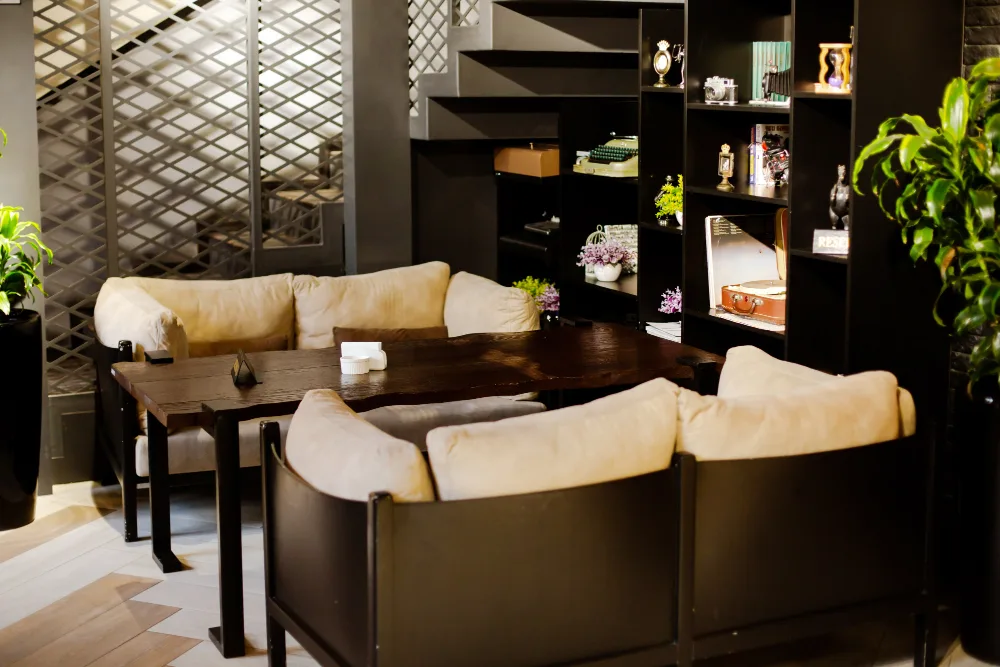
Common areas like lounges, corridors, and shared guest spaces benefit from thoughtful Furniture Ideas to Transform Hotel Common Areas, since these spaces often get the least attention during planning despite being where guests spend meaningful time between check-in and their room.
Coffee and beverage stations are a growing focus for many properties. Reviewing Commercial Coffee Bar Design Ideas helps plan this detail properly rather than treating it as an afterthought tacked onto the breakfast buffet.
Banquet halls and buffet stations need furniture that’s genuinely built for daily setup, breakdown, and heavy event use good Buffet Layout and Design Solutions balance guest flow with durability under repeated handling.
Planning Around Your Project’s Stage
Sourcing priorities shift depending on where your property is in its lifecycle. Solid Furniture Planning for Modern Hotels starts with mapping needs department by department rather than ordering reactively as gaps appear. And the approach differs meaningfully between Hotel Furniture for New Properties vs. Renovations a new build can plan furniture alongside architectural design from day one, while a renovation needs to match existing finishes and minimise operational disruption during the changeover.
Thinking Beyond the First Order
The relationship shouldn’t end once the furniture arrives. Hotels reorder, expand, and refurbish regularly, so it’s worth asking upfront how a manufacturer handles repeat orders, replacement parts, and support for future projects. A supplier who treats the first order as the start of an ongoing partnership rather than a one-off transaction tends to be far more valuable over the life of a property than one focused purely on closing the initial sale.
Final Thoughts
Choosing the right hotel furniture manufacturer in Australia comes down to understanding your property’s specific needs, evaluating suppliers properly rather than comparing quotes alone, and prioritizing genuine customization, material quality, and full-property catalogue coverage. Group Orise supplies hospitality furniture and operational equipment to hotels across Australia, built around exactly these priorities reach out to the team for a project consultation or custom quote.
Frequently Asked Questions
How do I know if a manufacturer’s furniture quality will hold up in a commercial hotel setting?
Ask for samples or visit a showroom if possible, and request references from other hotel properties they’ve supplied. Reviews and repeat-client relationships are strong indicators of consistent quality.
Should I choose the cheapest quote when comparing manufacturers?
Not necessarily. The cheapest option often costs more long-term through defects, delays, or inconsistent quality. Focus on manufacturers who balance fair pricing with reliable production processes.
Can Australian hotels expect full customization on furniture orders?
Many manufacturers offer genuine OEM/ODM customization ask specifically about material, sizing, and finish flexibility, and whether they can replicate a design consistently across multiple properties if needed.
Is sustainability something hotel furniture manufacturers actually prioritize?
It varies by supplier, so it’s worth asking directly about material sourcing, recyclability, and product durability rather than assuming it’s standard practice across the industry.