
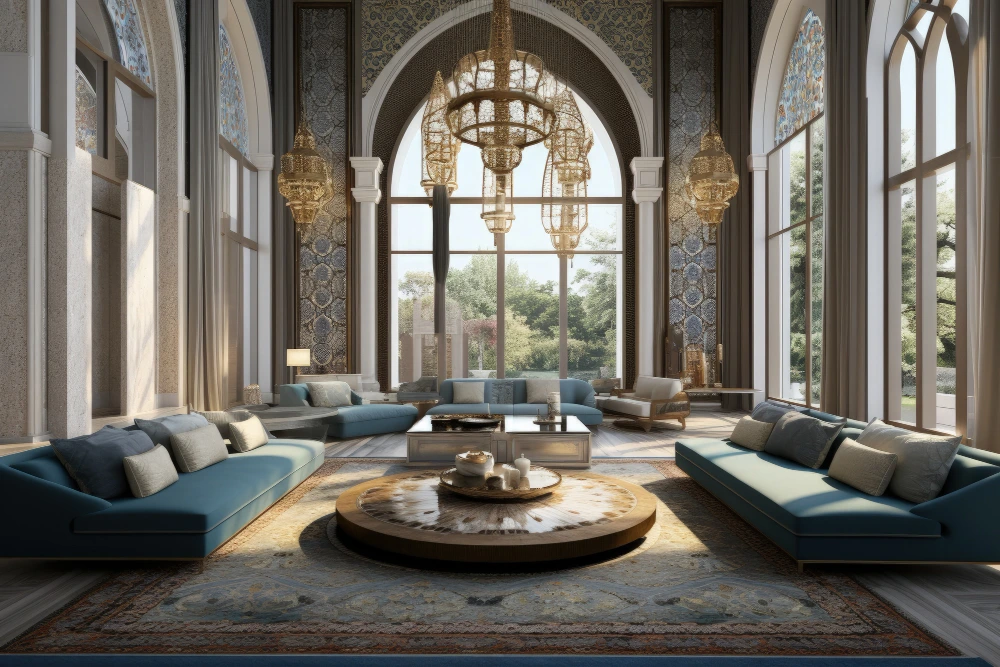
Middle Eastern hospitality interiors blend opulence, culture, and function in ways that few design traditions can match. This guide explores luxury hotel interior design ideas rooted in Arabian aesthetics, with actionable insights on hospitality furniture, commercial lobby furniture design, choosing the right hospitality furniture supplier in Dubai, and hotel furniture trends shaping 2026 and beyond.
Walk into any five-star hotel in Dubai, Riyadh, Doha, or Abu Dhabi, and you will feel it before you can name it a warmth that is both visual and cultural, a richness that feels earned rather than imposed. That is the power of middle eastern hospitality interiors. For centuries, the Arab world has elevated the art of welcoming guests to a near-sacred ritual, and today’s luxury hotel interior design ideas are drawing deeply from that well.
Whether you are a hotel developer, interior designer, or procurement manager sourcing hospitality furniture for a new property, this comprehensive guide will take you through the design principles, furniture planning strategies, compliance considerations, and creative ideas that define Middle Eastern inspired luxury hospitality and how to bring them to life through smart furniture decisions.
1. The Philosophy Behind Middle Eastern Hospitality Interiors
Middle Eastern hospitality is built on the concept of “diyafa” the cultural duty to honour guests as if they were royalty. This philosophy directly informs how spaces are designed. Every room, every corridor, every lobby is conceived to make guests feel seen, comfortable, and valued.
This translates into design principles that prioritise:
- Grandeur without coldness
- Ornamentation with purpose
- Natural materials elevated by craft
- Layered sensory experiences visual, tactile, and even olfactory
The best luxury hospitality design trends emerging from this region are not merely decorative. They are architectural narratives, telling stories of desert landscapes, ancient trade routes, Islamic geometry, and the generosity of the Arab host.
2. Luxury Hotel Interior Design Ideas Inspired by Middle Eastern Aesthetics
Arabesque Geometry and Carved Panels
One of the most distinctive features of Middle Eastern interior design is the use of geometric patterns intricate arabesque lattices, star motifs, and mashrabiya (carved wooden screens). In modern hotels, these are no longer limited to feature walls. They appear as room dividers, backlit ceiling panels, carved cabinet doors, and statement reception counters.
When selecting hospitality furniture for a Middle Eastern inspired space, look for custom joinery that incorporates these geometric elements. Carved wooden dividers and decorative screens such as those available through manufacturers like GroupOrise can serve as both functional spatial separators and artistic focal points within lobbies, lounges, and banquet halls.
Archways, Domes, and Structural Drama
Traditional Islamic architecture is famous for its horseshoe arches, pointed doorways, and ribbed domes. Contemporary luxury hotels are reimagining these structural elements in sleek, modern forms arch-shaped mirrors, curved reception desks with stone inlay, and barrel-vaulted corridors lined with warm amber lighting.
For furniture planning for modern hotels that evokes this tradition, designers are choosing pieces with softly curved silhouettes rounded armchairs, oval coffee tables, and crescent-shaped sofas that echo the arch motif without literal reproduction.
Rich Colour Palettes Rooted in the Desert and Souk
The Middle Eastern colour vocabulary is confident and layered. Desert sand and warm ivory serve as base tones, while jewel colours emerald, sapphire, deep ruby, and burnt amber punctuate the palette with drama. Gold and brass finishes unify the composition.
When selecting commercial lobby furniture design pieces for a Middle Eastern inspired property, choose upholstered seating in velvet or brocade, in colours that balance warmth with sophistication. Pair with brass-legged side tables and marble-topped surfaces to achieve that characteristic sense of restrained luxury.
Ambient and Lantern-Style Lighting
Lighting in Middle Eastern hospitality design is never clinical or flat. It is layered, warm, and often jewel-like. Traditional brass lanterns, star-cut pendant lights, and mosaic glass fixtures cast intricate shadow patterns that bring walls and ceilings to life at night.
Hotel furniture trends increasingly see lighting integrated into furniture pieces themselves illuminated bar counters, backlit coffee cabinets, and glowing service station bases. This is a creative furniture idea that adds drama without additional architectural intervention.
3. Commercial Lobby Furniture Design: First Impressions That Last
The lobby is the handshake of your hotel. In Middle Eastern inspired properties, it functions more like a majlis a dedicated receiving space where guests are welcomed with ceremony. Getting the commercial lobby furniture design right is non-negotiable.
Key elements for a Middle Eastern inspired lobby include:
Reception Counter: A statement piece, often in dark wood with brass inlay or carved geometric panels. It should feel monumental but approachable.
Seating Clusters: Rather than rows, arrange seating in intimate groupings the way a traditional majlis is set up. Use richly upholstered sofas, carved wooden armchairs, and low inlaid coffee tables.
Decorative Screens: Carved wooden dividers or metal mashrabiya panels help define zones within an open lobby without closing off sightlines. These are some of the most creative furniture ideas in contemporary hotel design.
Flooring and Rugs: Handwoven carpets in geometric or floral patterns anchor seating areas and introduce colour and texture underfoot.
GroupOrise’s range of wooden dividers and custom cabinet solutions are well-suited to this kind of bespoke lobby furniture planning, offering the flexibility that Middle Eastern inspired design demands.
4. Furniture Planning for Modern Hotels: Balancing Beauty and Function
Luxury aesthetics must never compromise operational efficiency, and this is where thoughtful furniture planning for modern hotels becomes critical. Middle Eastern inspired properties often feature layered, eclectic spaces but behind the visual richness, every piece must earn its place functionally.
Key principles for smart furniture planning:
Zone with Purpose: Lobby, lounge, dining, and transition zones each require distinct furniture personalities. Use consistent material finishes brass, dark wood, warm stone to maintain visual cohesion across zones while varying the scale and type of furniture.
Scale for Drama: Middle Eastern aesthetics favour generous proportions. Oversized urns, tall carved screens, and expansive seating clusters create the sense of grandeur that guests expect.
Traffic Flow: Even in ornate spaces, clear paths are essential. Plan furniture layouts with generous circulation widths, particularly around reception counters and restaurant entrances.
Durability for High Traffic: Beauty must be backed by structural integrity. This is where compliance and durability standards in hospitality furniture become essential considerations see section 6 below.
5. Hotel Furniture Trends in Middle Eastern Luxury Hospitality
The most exciting hotel furniture trends in the region reflect a confident blending of heritage and modernity:
Craft-Forward Materials: Handcarved wood, hammered brass, hand-laid mosaic tile, and embossed leather are experiencing a renaissance. Guests want to see and feel the human hand in the spaces they inhabit.
Bespoke Over Catalogue: Off-the-shelf furniture is giving way to fully customised pieces that reflect the property’s identity. Hospitality furniture suppliers who offer customisation from dimensions to finishes to upholstery are the preferred partners for luxury projects.
Sustainable Luxury: Increasingly, Middle Eastern hotel operators are seeking furniture made from responsibly sourced materials. Manufacturers who can certify material provenance and production ethics are gaining a competitive edge.
Multifunctional Pieces: In food and beverage spaces, furniture that transitions from breakfast service to evening lounge adjustable tables, stackable chairs that don’t look stackable is a key trend in furniture planning for modern hotels.
6. A Guide to Choose the Right Hospitality Furniture Supplier
Finding the right partner is as important as the design itself. Here is a practical guide to choose the right hospitality furniture supplier for Middle Eastern luxury projects:
1. Customisation Capabilities: Does the supplier manufacture to specification, or are they limited to catalogue items? For Middle Eastern inspired design, bespoke is almost always necessary.
2. Material Range: Can they work with the full palette solid wood, brass, velvet, marble, mosaic? A supplier who handles multiple materials under one roof simplifies project management significantly.
3. Experience in Hospitality: General furniture manufacturers may not understand the specific demands of hotel environments high traffic, round-the-clock use, housekeeping requirements. Hospitality-specialist suppliers like GroupOrise bring sector-specific knowledge that generalists cannot match.
4. References and Portfolio: Ask for case studies from comparable projects luxury hotels, resorts, or commercial hospitality venues. Verified references matter.
5. Lead Times and Logistics: Large hospitality projects have non-negotiable opening dates. Your hospitality furniture supplier must demonstrate reliable delivery timelines and international logistics capability.
6. After-Sale Support: Warranty terms, replacement parts availability, and ongoing service are often overlooked until something goes wrong. Establish these terms upfront.
For projects in the GCC region, hospitality furniture suppliers Dubai with a proven track record in bespoke luxury projects are particularly valuable, as they understand local design sensibilities, climate considerations, and project timelines.
7. Compliance & Durability Standards in Hospitality Furniture
No luxury aesthetic survives without structural integrity. Compliance & durability standards in hospitality furniture are not just regulatory checkboxes they are the foundation of guest safety and long-term asset value.
Key standards to verify with your supplier:
Fire Retardancy: Upholstered furniture in hotels must meet fire resistance standards relevant to your jurisdiction. In the GCC, this typically aligns with international standards such as BS 5852 or ASTM E84.
Structural Load Testing: Seating and tables should be tested to BIFMA or equivalent standards for commercial use, which are significantly more demanding than residential specifications.
Surface Durability: Laminate, veneer, and finish durability should be tested for abrasion, moisture, and UV resistance particularly relevant in Middle Eastern climates where air conditioning transitions can stress materials.
Non-Toxic Materials: With increasing awareness of indoor air quality, particularly in GCC markets, demand for low-VOC finishes and non-toxic adhesives is growing.
GroupOrise products are engineered with commercial-grade durability standards as a baseline, making them a reliable choice for properties where aesthetics and compliance must coexist without compromise.
8. Creative Furniture Ideas for Middle Eastern Hospitality Spaces
Beyond the conventional, here are creative furniture ideas that capture the spirit of Middle Eastern luxury:
Inlaid Marquetry Tables: Coffee tables and side tables featuring intricate wood inlay work geometric patterns in contrasting wood tones are stunning centrepieces for lobby lounge areas.
Majlis-Style Floor Seating Zones: For F&B or cultural lounge spaces, consider a dedicated low-seating area with cushioned floor seating, low carved tables, and draped fabric canopies. This is an authentic hospitality gesture that guests remember.
Brass-Framed Display Shelving: Open shelving with brass frames, displaying curated regional art objects, oud bottles, or artisanal pottery, adds cultural depth to restaurant and lounge interiors.
Carved Wood Bed Headboards: In guest rooms, a statement headboard featuring arabesque carving or geometric fretwork brings the cultural narrative into the private space as well.
9. Top Coffee Bar Cabinet & Counter Styles for Middle Eastern Hotels
The coffee ritual is central to Middle Eastern culture whether it is Arabic qahwa or a contemporary espresso bar. The counter and cabinet design of a hotel coffee station is therefore both a functional and deeply cultural statement.
Top coffee bar cabinet & counter styles for Middle Eastern inspired properties include:
Dark Walnut with Brass Hardware: Deep wood tones paired with aged brass handles and inlay strips create a rich, warm aesthetic that feels rooted in tradition without being dated.
Stone Surface Counters with Carved Wood Fascia: A marble or granite counter surface paired with a carved wood cabinet front blends natural materials with craft detail a hallmark of Middle Eastern luxury.
Backlit Cabinet Shelving: Open display cabinets with integrated warm lighting showcase coffee vessels, glassware, and branded oud diffusers. This creates a sensory focal point that doubles as visual branding.
Mosaic Tile Splashback Panels: Behind the counter, mosaic tile in geometric patterns reminiscent of traditional hammams and palaces adds colour, texture, and unmistakable cultural identity.
GroupOrise offers a range of coffee cabinet and bar counter solutions that can be customised in finish, dimensions, and material to suit the specific requirements of Middle Eastern luxury hotel projects.
Conclusion: Furniture as the Soul of Luxury Hospitality
Middle Eastern inspired luxury hospitality interiors are not just beautiful they are meaningful. They carry centuries of cultural wisdom about what it means to welcome a guest, and every furniture decision is an opportunity to honour that tradition while meeting the demands of modern luxury travel.
From commercial lobby furniture design to creative furniture ideas for F&B spaces, from navigating compliance & durability standards in hospitality furniture to selecting the right hospitality furniture suppliers Dubai every choice shapes the guest experience in lasting ways.
GroupOrise partners with hotels, developers, and designers across the GCC and beyond to deliver hospitality furniture that is equal parts beautiful and built to last. Whether you are planning a full fit-out or upgrading specific zones, our bespoke manufacturing capabilities and deep understanding of luxury hotel furniture trends make us the trusted supplier your project deserves.