
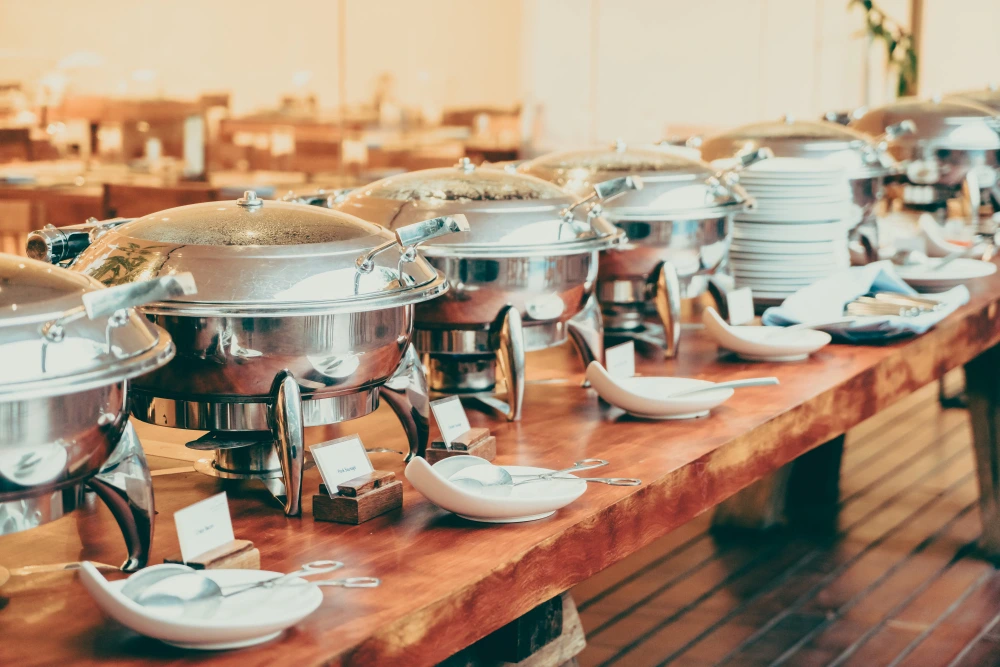
Buffet stations play a key role in creating efficient and appealing dining experiences. This guide covers the types of buffet stations, including live cooking, modular, and temperature-controlled options. Learn how to choose the right setup and work with a trusted furniture manufacturer to ensure durable and stylish food service furniture for your venue.
Buffet stations are an essential part of modern dining experiences, whether in hotels, restaurants, or event venues. They not only serve food efficiently but also enhance the guest experience through presentation and accessibility. Choosing the right buffet station can make a significant difference in service quality, aesthetics, and operational efficiency. This guide will explore the types of buffet stations, their features, and tips to choose the best one, along with insights on food service furniture and working with a reliable furniture manufacturer.
What is a Buffet Station?
A buffet station is a designated area where food is displayed and served, allowing guests to serve themselves or enjoy live-prepared meals. Buffet stations are versatile and can be tailored to suit small gatherings, large events, or high-end hotel settings. They provide convenience, variety, and speed, all while maintaining a stylish and organized presentation.
The choice of buffet station affects guest experience, staff efficiency, and the overall look of your dining space. By understanding the types of buffet stations, you can create a functional and visually appealing setup that complements your venue.
Common Types of Buffet Stations
1. Buffet Tables
Buffet tables are the most common and traditional type of buffet station. They are ideal for both casual and formal dining setups. These tables allow guests to pick from a variety of dishes, including hot entrees, salads, desserts, and condiments.
Modern buffet tables are designed with flexibility in mind. They can be nested or modular, allowing easy rearrangement to fit the space and event size. High-quality buffet tables from a professional furniture manufacturer ensure durability, smooth surfaces, and elegant finishes suitable for repeated use.
2. Live Cooking Stations
Live cooking stations provide an interactive and engaging experience for guests. Chefs prepare food on the spot, offering freshly made dishes tailored to individual preferences.
This type of buffet station not only delivers hot and freshly prepared meals but also serves as an entertainment element. Guests can watch the cooking process, which enhances the sensory experience. Live cooking stations are perfect for events where presentation and interaction are as important as the food itself.
3. Modular Buffet Systems
Modular buffet systems consist of multiple units that can be combined or separated depending on the space and event requirements. They offer maximum flexibility in layout and design.
For example, separate hot and cold lines can be set up, or individual self-serve stations can be positioned strategically to reduce crowding. A trusted furniture manufacturer can provide modular systems tailored to your venue’s size, ensuring a seamless and customizable buffet experience.
4. Live Food Stations
Live food stations are slightly different from live cooking stations. While they may also involve on-the-spot preparation, they often focus on specialized food items like carving stations, sushi bars, or pasta stations. These stations allow guests to interact with chefs and select ingredients or cooking styles, enhancing personalization and satisfaction.
5. Heated and Chilled Stations
Temperature-controlled buffet stations are crucial for maintaining food safety and quality. Heated stations keep hot dishes at the ideal serving temperature, while chilled stations preserve cold items such as salads, desserts, or beverages. Investing in high-quality food service furniture designed for temperature control ensures efficiency and compliance with safety standards.
Key Considerations When Choosing Buffet Stations
Selecting the right buffet station goes beyond aesthetics. Consider these important factors:
1. Guest Volume
Estimate the number of guests the buffet will serve at peak times. Larger events may require multiple stations or modular setups to avoid long queues and congestion.
2. Space Layout
Analyze your available space. Modular and flexible buffet stations allow efficient use of limited areas, while fixed buffet tables are better suited for larger halls or open dining spaces.
3. Functionality and Flow
A well-planned buffet station promotes smooth guest flow and reduces bottlenecks. Consider separate lines for hot and cold dishes, dessert stations, or live cooking areas to manage traffic effectively.
4. Design and Aesthetics
Buffet stations contribute to the overall ambiance of your venue. Choose designs, materials, and finishes that complement your interior. Elegant stations with clean lines and high-quality surfaces create a professional and inviting appearance.
5. Durability and Maintenance
Buffet stations undergo frequent use, making durability essential. Opt for food service furniture that is resistant to scratches, heat, and spills. Furniture manufacturers can provide options with easy-to-clean surfaces, sturdy frames, and long-lasting finishes.
6. Customization
Collaborating with a skilled furniture manufacturer allows you to customize buffet stations according to your needs. Options include modular units, integrated storage, adjustable heights, and specific materials to match your venue’s style.
Benefits of Using Professional Food Service Furniture
Investing in high-quality food service furniture ensures long-term benefits, including:
- Durability: High-grade materials withstand heavy usage.
- Efficiency: Streamlined layouts improve staff workflow and guest convenience.
- Aesthetics: Stylish designs enhance the overall dining experience.
- Hygiene: Easy-to-clean surfaces maintain sanitation standards.
- Flexibility: Modular and adjustable furniture accommodates various events.
Tips for Working with a Furniture Manufacturer
Partnering with a reputable furniture manufacturer ensures you get buffet stations that meet your specific needs. Consider the following:
- Experience: Choose a manufacturer with expertise in hospitality and food service furniture.
- Customization: Look for options that allow modularity, adjustable heights, and matching aesthetics.
- Material Quality: Ensure materials are durable, heat-resistant, and easy to maintain.
- After-Sales Support: A reliable manufacturer provides warranty, repairs, and replacements if needed.
- Design Collaboration: Work closely with designers to align furniture with your venue’s theme and functional requirements.
Conclusion
Choosing the right buffet station can transform your dining area, improve guest satisfaction, and streamline operations. By understanding the types of buffet stations, from traditional buffet tables to live cooking and modular systems, you can select furniture that fits your space, guest volume, and service style.
High-quality food service furniture from a trusted furniture manufacturer ensures durability, style, and functionality, creating a seamless dining experience. Use this buffet station guide to make informed decisions, combining aesthetics, efficiency, and versatility to elevate your food service setup.