
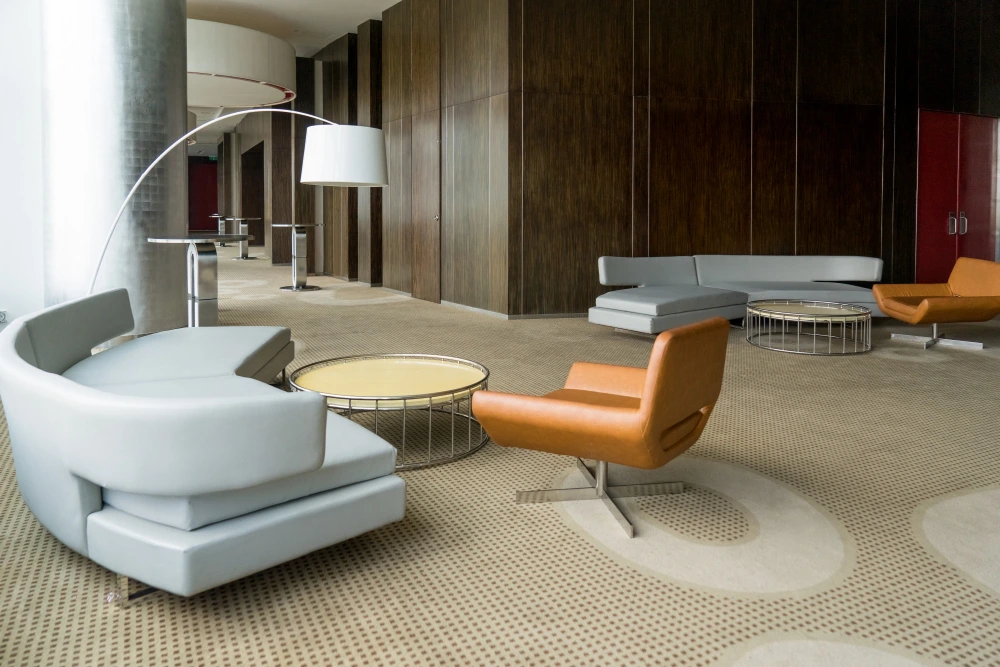
From the moment a guest walks into the lobby, commercial furniture affects how they feel about a hotel shaping first impressions, comfort levels, and brand perception before a single word is spoken. This blog explores how the right commercial lobby furniture, thoughtful commercial coffee bar design ideas, and consistent furniture planning for modern hotels directly influence guest satisfaction scores, online reviews, and long-term brand loyalty. Whether you are a boutique property or a multi-location chain, partnering with the right commercial furniture manufacturer is one of the most impactful decisions you can make for your guest experience and bottom line.
Every hotel tells a story and before a single word is exchanged between a guest and a team member, the furniture has already begun narrating it. The moment a guest steps through the entrance and takes in the lobby, their brain begins forming rapid, largely subconscious judgements about the property. Is this place worth what I paid? Does it feel the way the website promised? Will I be comfortable here? These questions are answered not through service interactions in those first seconds, but through what guests see, feel, and sense in the physical environment around them.
Understanding how commercial furniture affects guest satisfaction and brand perception is not a soft, design-only conversation. It is a hard business case one with direct implications for online review scores, repeat bookings, brand loyalty, and long-term revenue. This blog unpacks exactly how furniture choices shape the guest experience, and what hotel operators should prioritise to get those choices right.
First Impressions Are Formed in Seconds and Furniture Sets the Stage
The science of first impressions is unambiguous: human beings form lasting judgements about environments within moments of entering them. In a hotel context, the lobby is the arena where that judgement is made and commercial lobby furniture is the primary vehicle through which it is communicated.
Best hotel lobby furniture does not merely fill a space. It signals the hotel’s values, quality standards, and personality to every guest who walks through the door. A lobby furnished with thoughtfully proportioned seating, premium upholstery, and a coherent design narrative communicates attention to detail and genuine investment in the guest experience. A lobby with mismatched, worn, or generic pieces communicates the opposite and no amount of warm service or fresh flowers will fully override that initial furniture-led impression.
This is why commercial lobby furniture design deserves to be treated as a brand communication exercise, not simply an interior decoration decision. The pieces you select are speaking on your hotel’s behalf before your team has had the opportunity to say a single word.
Comfort Is the Foundation of Guest Satisfaction
Beyond first impressions, physical comfort is the single most direct way in which commercial furniture affects guest satisfaction scores. Research consistently identifies comfort as the primary factor guests consider when evaluating their hotel experience and discomfort, wherever it occurs, tends to generate disproportionately negative reviews.
This comfort equation plays out across every area of the hotel. In guest rooms, beds with high-quality frames and bases, ergonomic desk chairs, and well-positioned seating determine how rested and restored a guest feels at the end of each day. In lobby spaces, deep-cushioned lounge seating and supportive occasional chairs shape whether guests linger and relax or feel compelled to move on. In dining areas, chairs at the right height relative to table surfaces, with appropriate seat depth and back support, determine whether a meal feels enjoyable or physically taxing.
A skilled commercial furniture manufacturer understands that hospitality comfort engineering is a precise discipline not just a question of adding more padding. It involves ergonomic research, material science, and an understanding of how different guest profiles use different spaces at different times of day. Investing in this level of expertise at the procurement stage pays dividends in the guest satisfaction scores that follow.
Furniture as a Brand Identity Tool
One of the most underutilised powers of commercial furniture affects brand perception is its capacity to communicate a hotel’s unique identity its positioning, character, and story in a way that no amount of branded collateral can replicate.
A luxury urban hotel might express its identity through bespoke, architect-designed lobby pieces in premium materials dark walnut frames, hand-stitched leather upholstery, brass hardware that signal exclusivity and craftsmanship. A design-forward boutique property might make a statement with unexpected silhouettes, bold colour pairings, and artisanal detailing that reinforce its creative credentials. A resort hotel in a coastal setting might anchor its identity in natural rattan, bleached timber, and linen textiles that connect the interior to the surrounding landscape.
In every case, the furniture is doing brand work consistently, silently, and persuasively. Guests who experience environments where every furniture choice feels intentional and coherent come away with a stronger, clearer sense of the hotel’s identity, and that clarity drives loyalty. They know what this hotel is, they associate it with a feeling, and they seek it out again.
This is where furniture planning for modern hotels becomes a genuinely strategic activity rather than a purely logistical one. The process of specifying furniture should be guided by brand strategy as much as by budget parameters and durability requirements.
The Coffee Bar and Social Spaces: Where Furniture Drives Revenue
Among the most commercially significant areas where furniture decisions directly impact guest behaviour and therefore hotel revenue are coffee bars, casual dining spaces, and social lounges. The right furniture in these areas does not just create an appealing environment; it actively encourages guests to spend more time and money within the hotel rather than seeking alternatives elsewhere.
Commercial coffee bar design ideas that incorporate intimate two-person seating alongside larger communal tables, bar stools at appropriately heighted counters, and a mix of upholstered and hard seating options give guests the flexibility to choose an environment that suits their mood and purpose. A solo business traveller working through emails is drawn to a quiet corner booth. A group of leisure guests sharing pastries gravitates toward a relaxed sofa cluster. Both have been accommodated by furniture that understood and anticipated their different needs.
This is a direct revenue consideration. Guests who find the hotel’s social spaces comfortable and well-designed are measurably less likely to leave the property for meals, coffee, and leisure which translates directly into food and beverage revenue, positive dwell-time metrics, and stronger overall satisfaction scores.
How Hotel Furniture Trends Are Shifting Guest Expectations
Keeping pace with evolving hotel furniture trends is not a vanity exercise it is a competitive necessity. Guest expectations are shaped not only by their previous hotel stays but by the totality of their design exposure: the restaurants they visit, the co-working spaces they inhabit, the interiors they encounter through social media. When hotel furniture feels dated or out of step with contemporary design sensibilities, guests notice and they articulate that feeling in their reviews, even when they struggle to name exactly what it is that feels wrong.
Current hotel furniture trends reflect broader shifts in how people want to experience space. Biophilic design incorporating natural materials, organic forms, and a connection to the outdoor environment has moved from a niche aesthetic choice to a mainstream expectation in premium hospitality. Technology integration, with furniture that supports device charging and seamless connectivity, has become a baseline requirement rather than a luxury differentiator. Sustainability credentials, evidenced through material choices and manufacturing practices, are increasingly cited by guests as a factor in their accommodation decisions.
A forward-thinking commercial furniture manufacturer will help hotel operators navigate these trends with an eye on longevity identifying which directions represent durable shifts in guest expectations and which are passing stylistic moments not worth anchoring a major procurement decision to.
Consistency Across Properties Builds Brand Trust
For hotel chains operating multiple properties, the role of furniture in shaping brand perception extends beyond the individual guest experience to the collective brand promise. When a guest who loved their experience at one property visits a sister hotel and encounters a markedly different aesthetic different quality levels, different design language, inconsistent comfort standards the brand promise is fractured.
Furniture planning for modern hotels within a chain context must therefore address consistency as a primary objective. A well-managed procurement process, guided by a trusted commercial furniture manufacturer with the capacity to produce consistent results across multiple projects and locations, ensures that guests carry a unified brand impression from one property to the next. This consistency is one of the most powerful drivers of chain loyalty and one of the most frequently undermined by inconsistent furniture procurement.
The Online Review Dimension
In the era of review platforms and social media, the consequences of furniture-related guest dissatisfaction are more visible and more lasting than ever before. A guest who finds their room chair uncomfortable, their lobby seating worn, or their dining environment visually uninspiring is very likely to mention it and that mention lives online, influencing the decisions of future potential guests long after the original stay.
Equally, guests who experience exceptional environments where furniture quality, comfort, and design create genuine moments of delight share those experiences enthusiastically. A beautifully designed lobby becomes a social media backdrop. A perfectly appointed guest room suite earns a glowing review that highlights the thoughtfulness of the interior. The way commercial furniture affects online reputation is both measurable and significant.
Investing in the Right Commercial Furniture Manufacturer
All of the above the first impression power of commercial lobby furniture, the comfort engineering behind guest satisfaction scores, the brand storytelling potential of great hotel furniture trends, and the revenue influence of well-designed social spaces converges on a single practical question: how do you find and work with a commercial furniture manufacturer who can deliver on all of it?
The answer lies in due diligence, design alignment, and long-term partnership thinking. The best commercial furniture manufacturer relationships in hospitality are those where the manufacturer understands not just what the client wants the furniture to look like, but what they need it to achieve for guests, for operations, for the brand, and for the bottom line.
Furniture planning for modern hotels that begins with those outcome-focused questions, and partners with a manufacturer who can answer them confidently and credibly, is the foundation upon which great guest experiences and great hotel brands are built.