Blog

Your blog category

Commercial Furniture

How Commercial Furniture Affects Guest Satisfaction and Brand Perception

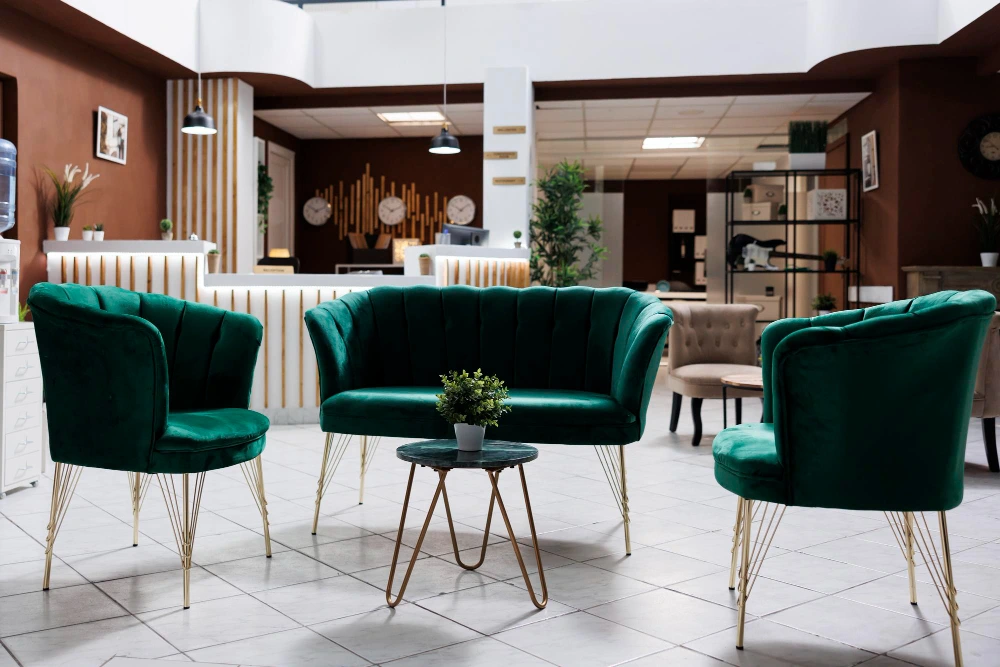
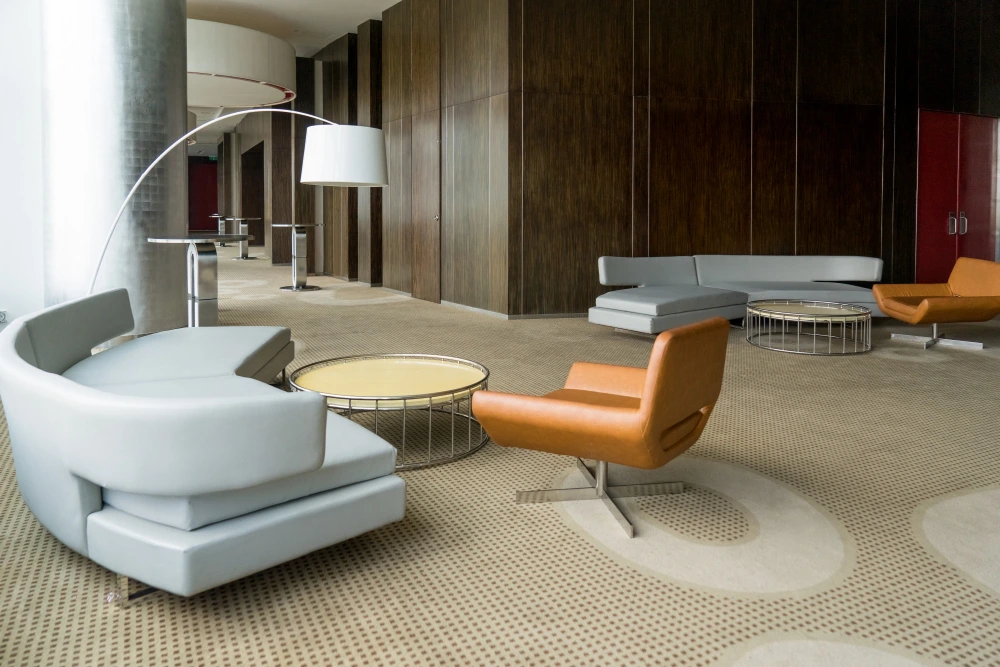
From the moment a guest walks into the lobby, commercial furniture affects how they feel about a hotel shaping first impressions, comfort levels, and brand perception before a single word is spoken. This blog explores how the right commercial lobby furniture, thoughtful commercial coffee bar design ideas, and consistent furniture planning for modern hotels directly influence guest satisfaction scores, online reviews, and long-term brand loyalty. Whether you are a boutique property or a multi-location chain, partnering with the right commercial furniture manufacturer is one of the most impactful decisions you can make for your guest experience and bottom line. Every hotel tells a story and before a single word is exchanged between a guest and a team member, the furniture has already begun narrating it. The moment a guest steps through the entrance and takes in the lobby, their brain begins forming rapid, largely subconscious judgements about the property. Is this place worth what I paid? Does it feel the way the website promised? Will I be comfortable here? These questions are answered not through service interactions in those first seconds, but through what guests see, feel, and sense in the physical environment around them. Understanding how commercial furniture affects guest satisfaction and brand perception is not a soft, design-only conversation. It is a hard business case one with direct implications for online review scores, repeat bookings, brand loyalty, and long-term revenue. This blog unpacks exactly how furniture choices shape the guest experience, and what hotel operators should prioritise to get those choices right. First Impressions Are Formed in Seconds and Furniture Sets the Stage The science of first impressions is unambiguous: human beings form lasting judgements about environments within moments of entering them. In a hotel context, the lobby is the arena where that judgement is made and commercial lobby furniture is the primary vehicle through which it is communicated. Best hotel lobby furniture does not merely fill a space. It signals the hotel’s values, quality standards, and personality to every guest who walks through the door. A lobby furnished with thoughtfully proportioned seating, premium upholstery, and a coherent design narrative communicates attention to detail and genuine investment in the guest experience. A lobby with mismatched, worn, or generic pieces communicates the opposite and no amount of warm service or fresh flowers will fully override that initial furniture-led impression. This is why commercial lobby furniture design deserves to be treated as a brand communication exercise, not simply an interior decoration decision. The pieces you select are speaking on your hotel’s behalf before your team has had the opportunity to say a single word. Comfort Is the Foundation of Guest Satisfaction Beyond first impressions, physical comfort is the single most direct way in which commercial furniture affects guest satisfaction scores. Research consistently identifies comfort as the primary factor guests consider when evaluating their hotel experience and discomfort, wherever it occurs, tends to generate disproportionately negative reviews. This comfort equation plays out across every area of the hotel. In guest rooms, beds with high-quality frames and bases, ergonomic desk chairs, and well-positioned seating determine how rested and restored a guest feels at the end of each day. In lobby spaces, deep-cushioned lounge seating and supportive occasional chairs shape whether guests linger and relax or feel compelled to move on. In dining areas, chairs at the right height relative to table surfaces, with appropriate seat depth and back support, determine whether a meal feels enjoyable or physically taxing. A skilled commercial furniture manufacturer understands that hospitality comfort engineering is a precise discipline not just a question of adding more padding. It involves ergonomic research, material science, and an understanding of how different guest profiles use different spaces at different times of day. Investing in this level of expertise at the procurement stage pays dividends in the guest satisfaction scores that follow. Furniture as a Brand Identity Tool One of the most underutilised powers of commercial furniture affects brand perception is its capacity to communicate a hotel’s unique identity its positioning, character, and story in a way that no amount of branded collateral can replicate. A luxury urban hotel might express its identity through bespoke, architect-designed lobby pieces in premium materials dark walnut frames, hand-stitched leather upholstery, brass hardware that signal exclusivity and craftsmanship. A design-forward boutique property might make a statement with unexpected silhouettes, bold colour pairings, and artisanal detailing that reinforce its creative credentials. A resort hotel in a coastal setting might anchor its identity in natural rattan, bleached timber, and linen textiles that connect the interior to the surrounding landscape. In every case, the furniture is doing brand work consistently, silently, and persuasively. Guests who experience environments where every furniture choice feels intentional and coherent come away with a stronger, clearer sense of the hotel’s identity, and that clarity drives loyalty. They know what this hotel is, they associate it with a feeling, and they seek it out again. This is where furniture planning for modern hotels becomes a genuinely strategic activity rather than a purely logistical one. The process of specifying furniture should be guided by brand strategy as much as by budget parameters and durability requirements. The Coffee Bar and Social Spaces: Where Furniture Drives Revenue Among the most commercially significant areas where furniture decisions directly impact guest behaviour and therefore hotel revenue are coffee bars, casual dining spaces, and social lounges. The right furniture in these areas does not just create an appealing environment; it actively encourages guests to spend more time and money within the hotel rather than seeking alternatives elsewhere. Commercial coffee bar design ideas that incorporate intimate two-person seating alongside larger communal tables, bar stools at appropriately heighted counters, and a mix of upholstered and hard seating options give guests the flexibility to choose an environment that suits their mood and purpose. A solo business traveller working through emails is drawn to a quiet corner booth. A group of leisure guests sharing pastries gravitates toward a relaxed sofa cluster. Both have been accommodated

How Commercial Furniture Affects Guest Satisfaction and Brand Perception Read More »
Hospitality Furniture

A Hotelier’s Guide to Compliance & Durability Standards in Hospitality Furniture

Compliance and durability are the two pillars every hotelier must prioritise when procuring hospitality furniture and this guide breaks down exactly what that means in practice. From fire safety standards like BS 7176, Cal TB 117, and EN 1021 to structural benchmarks like ANSI/BIFMA, the blog covers the key regulations across global markets and explains how to verify them before production begins. Whether you are selecting commercial lobby furniture, planning guest room pieces, or briefing a hospitality furniture manufacturer, this guide ensures compliance is built into your process from day one not discovered as a problem after delivery. The modern hotel guest is no longer a passive occupant. Today’s travellers arrive with laptops, multiple devices, shifting schedules, and expectations that their environment will keep up with all of it. They might need a productive workspace in the morning, a relaxed lounge setting by afternoon, and a comfortable dining arrangement in the evening all within the same room or common area. This evolving guest profile is reshaping the way hotel operators think about interiors, and it is placing modular hotel furniture and multi-functional hotel furniture firmly at the centre of the conversation. For hotel operators, interior designers, and procurement teams, understanding why these furniture formats have become a defining force in hotel furniture trends is not just academically interesting it is operationally and financially essential. Here is a comprehensive look at why modular and multi-functional furniture is one of the smartest investments a modern hotel can make. The Shift in How Hotels Use Space Not long ago, hotel spaces were designed with rigid purpose in mind. The lobby was for arrivals and departures. The restaurant was for meals. The conference room was for business. Spaces were designed around functions, and furniture reinforced those fixed boundaries. That model no longer serves the modern hotel. Guests today expect lobbies to function as co-working areas, social hubs, and informal meeting spaces sometimes simultaneously. They expect guest rooms to accommodate work, rest, and leisure without any one function compromising the others. Common areas are expected to transition fluidly between different uses throughout the day. Furniture planning for modern hotels must reflect this reality. Static, single-purpose furniture creates friction in spaces that need to be fluid. Modular hotel furniture designed to be rearranged, reconfigured, and repurposed eliminates that friction and gives hotel spaces the adaptability they need to serve guests well across all hours and occasions. What Modular Hotel Furniture Actually Means The term “modular” is sometimes used loosely in the furniture industry, but in a hospitality context it has a precise and practical meaning. Modular hotel furniture refers to pieces designed with interchangeable or connectable components seating sections, table inserts, shelving units, and storage modules that can be combined, separated, and rearranged without tools or specialist knowledge. A modular sofa system in a lobby, for instance, might serve as a wide communal lounge for casual guests during the day, then be reorganised into smaller, more private seating clusters for a corporate networking event in the evening. A modular shelving wall might divide an open-plan area into semi-private zones without the permanence of architectural partitions. The operational advantages of this flexibility extend well beyond convenience. Hotels that invest in quality modular hotel furniture through a reputable commercial furniture manufacturer can reduce the need for multiple furniture sets across different event or seasonal configurations cutting procurement costs and storage requirements simultaneously. The Rise of Multi-Functional Hotel Furniture While modular furniture addresses how spaces are organised, multi-functional hotel furniture addresses how individual pieces perform. These are items designed to serve more than one purpose often simultaneously without compromising on either function or aesthetics. The range of what qualifies here is broader than many operators realise. It includes beds with integrated under-frame storage drawers, ottomans that open to reveal concealed compartments, desks that double as dressing tables, dining benches with built-in shelving, and lounge chairs with embedded wireless charging pads. Each of these pieces reduces the number of individual items a room or common area requires while making every square metre work harder for both the guest and the hotel. For smaller properties where room dimensions are limited, multi-functional hotel furniture can be genuinely transformative. A well-chosen piece can effectively give a compact room the functionality of a larger one a benefit that translates directly into guest satisfaction scores and reviews. A skilled commercial furniture manufacturer will offer bespoke multi-functional configurations designed around your specific room dimensions and guest profile. How It Shapes the Best Hotel Lobby Furniture Choices The lobby is arguably where the case for modular and multi-functional design is most compelling. It is the most visible, highest-traffic space in any hotel and the one that must serve the widest range of purposes throughout the day. Best hotel lobby furniture in the modern era is not selected purely on aesthetic merit. It is selected on the basis of how well it performs across multiple use cases. A lobby that functions as a morning check-in point, a midday co-working space, a social lounge in the afternoon, and a pre-dinner gathering area in the evening needs furniture that can transition across all of these scenarios without requiring complete redesign. Commercial lobby furniture design that incorporates modular seating systems, lightweight moveable occasional tables, and adaptable centrepiece arrangements gives hotel teams the tools to make those transitions quickly and confidently. When staff can reconfigure a lobby space in under fifteen minutes, the hotel’s ability to host events, accommodate group check-ins, and manage variable traffic becomes significantly more sophisticated. Creative Furniture Ideas to Transform Hotel Common Areas Beyond lobbies, modular and multi-functional thinking offers some of the most exciting creative furniture ideas to transform hotel common areas. Corridors can become destination spaces with modular reading nooks or charging stations built into wall-mounted furniture systems. Rooftop terraces can shift from daytime relaxation zones to evening dining venues with the help of modular outdoor seating that reorganises around portable fire pit tables. Pool areas can transition from family-friendly lounge spaces to adults-only evening

A Hotelier’s Guide to Compliance & Durability Standards in Hospitality Furniture Read More »

Multi-Functional Furniture

Why Modular and Multi-Functional Furniture Is a Smart Choice for Modern Hotels

Modern hotel guests expect spaces that adapt to their needs and the right furniture makes that possible. This blog explores how modular hotel furniture and multi-functional hotel furniture are reshaping hospitality interiors, from flexible commercial lobby furniture design to creative common area transformations. Whether you are planning a new property or upgrading an existing one, discover why leading hotels are partnering with experienced commercial furniture manufacturers to future-proof their spaces and deliver exceptional guest experiences. The modern hotel guest is no longer a passive occupant. Today’s travellers arrive with laptops, multiple devices, shifting schedules, and expectations that their environment will keep up with all of it. They might need a productive workspace in the morning, a relaxed lounge setting by afternoon, and a comfortable dining arrangement in the evening all within the same room or common area. This evolving guest profile is reshaping the way hotel operators think about interiors, and it is placing modular hotel furniture and multi-functional hotel furniture firmly at the centre of the conversation. For hotel operators, interior designers, and procurement teams, understanding why these furniture formats have become a defining force in hotel furniture trends is not just academically interesting it is operationally and financially essential. Here is a comprehensive look at why modular and multi-functional furniture is one of the smartest investments a modern hotel can make. The Shift in How Hotels Use Space Not long ago, hotel spaces were designed with rigid purpose in mind. The lobby was for arrivals and departures. The restaurant was for meals. The conference room was for business. Spaces were designed around functions, and furniture reinforced those fixed boundaries. That model no longer serves the modern hotel. Guests today expect lobbies to function as co-working areas, social hubs, and informal meeting spaces sometimes simultaneously. They expect guest rooms to accommodate work, rest, and leisure without any one function compromising the others. Common areas are expected to transition fluidly between different uses throughout the day. Furniture planning for modern hotels must reflect this reality. Static, single-purpose furniture creates friction in spaces that need to be fluid. Modular hotel furniture designed to be rearranged, reconfigured, and repurposed eliminates that friction and gives hotel spaces the adaptability they need to serve guests well across all hours and occasions. What Modular Hotel Furniture Actually Means The term “modular” is sometimes used loosely in the furniture industry, but in a hospitality context it has a precise and practical meaning. Modular hotel furniture refers to pieces designed with interchangeable or connectable components, seating sections, table inserts, shelving units, and storage modules that can be combined, separated, and rearranged without tools or specialist knowledge. A modular sofa system in a lobby, for instance, might serve as a wide communal lounge for casual guests during the day, then be reorganised into smaller, more private seating clusters for a corporate networking event in the evening. A modular shelving wall might divide an open-plan area into semi-private zones without the permanence of architectural partitions. The operational advantages of this flexibility extend well beyond convenience. Hotels that invest in quality modular hotel furniture through a reputable commercial furniture manufacturer can reduce the need for multiple furniture sets across different event or seasonal configurations cutting procurement costs and storage requirements simultaneously. The Rise of Multi-Functional Hotel Furniture While modular furniture addresses how spaces are organised, multi-functional hotel furniture addresses how individual pieces perform. These are items designed to serve more than one purpose often simultaneously without compromising on either function or aesthetics. The range of what qualifies here is broader than many operators realise. It includes beds with integrated under-frame storage drawers, ottomans that open to reveal concealed compartments, desks that double as dressing tables, dining benches with built-in shelving, and lounge chairs with embedded wireless charging pads. Each of these pieces reduces the number of individual items a room or common area requires while making every square metre work harder for both the guest and the hotel. For smaller properties where room dimensions are limited, multi-functional hotel furniture can be genuinely transformative. A well-chosen piece can effectively give a compact room the functionality of a larger one a benefit that translates directly into guest satisfaction scores and reviews. A skilled commercial furniture manufacturer will offer bespoke multi-functional configurations designed around your specific room dimensions and guest profile. How It Shapes the Best Hotel Lobby Furniture Choices The lobby is arguably where the case for modular and multi-functional design is most compelling. It is the most visible, highest-traffic space in any hotel and the one that must serve the widest range of purposes throughout the day. Best hotel lobby furniture in the modern era is not selected purely on aesthetic merit. It is selected on the basis of how well it performs across multiple use cases. A lobby that functions as a morning check-in point, a midday co-working space, a social lounge in the afternoon, and a pre-dinner gathering area in the evening needs furniture that can transition across all of these scenarios without requiring complete redesign. Commercial lobby furniture design that incorporates modular seating systems, lightweight moveable occasional tables, and adaptable centrepiece arrangements gives hotel teams the tools to make those transitions quickly and confidently. When staff can reconfigure a lobby space in under fifteen minutes, the hotel’s ability to host events, accommodate group check-ins, and manage variable traffic becomes significantly more sophisticated. Creative Furniture Ideas to Transform Hotel Common Areas Beyond lobbies, modular and multi-functional thinking offers some of the most exciting creative furniture ideas to transform hotel common areas. Corridors can become destination spaces with modular reading nooks or charging stations built into wall-mounted furniture systems. Rooftop terraces can shift from daytime relaxation zones to evening dining venues with the help of modular outdoor seating that reorganises around portable fire pit tables. Pool areas can transition from family-friendly lounge spaces to adults-only evening settings by rearranging modular sun lounger configurations. The common thread in all of these applications is intentionality. Creative furniture ideas to transform hotel

Why Modular and Multi-Functional Furniture Is a Smart Choice for Modern Hotels Read More »

Commercial Furniture

Top 10 Commercial Furniture Solutions That Improve Hotel Operational Efficiency

The right commercial hotel furniture goes beyond aesthetics it directly impacts staff productivity, maintenance costs, and guest satisfaction. This blog explores ten smart hospitality furniture solutions, from modular lobby seating and tech-integrated guest room pieces to standardised collections across hotel chains, all designed to make your property run smoother and smarter. Running a hotel efficiently is about far more than smooth check-ins and spotless rooms. It is about every operational touchpoint working in harmony and furniture plays a surprisingly central role in that equation. The right commercial hotel furniture does not just look good; it actively supports staff workflows, reduces maintenance demands, maximises space, and enhances the guest experience in ways that translate directly into operational savings and stronger reviews. For hotel operators and procurement teams, understanding which hospitality furniture solutions deliver genuine operational value is essential. Below are the top ten commercial furniture solutions that modern hotels should prioritise and why each one makes a measurable difference to how efficiently your property runs. 1. Modular Lobby Seating Systems The lobby is the heartbeat of any hotel and one of the most operationally demanding spaces to manage. Rigid, fixed furniture layouts make it difficult to adapt to varying guest volumes, events, or seasonal traffic fluctuations. Modular commercial lobby furniture design solves this by offering seating configurations that can be rearranged quickly without the need for tools or additional staff. Modular systems allow your team to shift from an open lounge layout for a quiet weekday afternoon to a structured seating arrangement for a corporate check-in event in minutes. This flexibility reduces the need for additional furniture purchases and eliminates the logistical headache of managing multiple furniture sets for different occasions. When selecting modular lobby seating, look for pieces with interlocking bases, durable upholstery, and consistent finishes that maintain brand cohesion across all configurations. 2. Stackable and Foldable Banquet Chairs For hotels with event spaces, conference rooms, or dining areas that serve double duty, stackable and foldable chairs are one of the most operationally efficient investments available. These pieces of commercial hotel furniture can be stored compactly, deployed rapidly, and repositioned by a small team reducing labour costs and setup times significantly. A quality commercial hotel furniture manufacturer will produce stackable chairs that maintain their structural integrity even after thousands of stacking cycles. Look for reinforced frame joints, non-scratch feet, and commercial-grade upholstery that can withstand repeated folding without cracking or fraying. 3. Multi-Function Guest Room Furniture Guest room furniture that serves multiple purposes simultaneously reduces the number of individual pieces required per room cutting procurement costs, simplifying room layouts, and making housekeeping faster and more efficient. Examples include ottomans with hidden storage, beds with integrated under-frame drawers, desks that double as dressing tables, and bedside units with built-in USB charging ports and cable management. This kind of thoughtful hospitality furniture design means housekeeping staff can clean rooms more efficiently with fewer obstacles to navigate, while guests enjoy a more organised, uncluttered environment. When working with a commercial hotel furniture manufacturer, request custom multi-function configurations that align with your room dimensions and guest profile whether that is business travellers needing workspace flexibility or leisure guests needing storage for extended stays. 4. Commercial-Grade Reception Desks and Check-In Counters The front desk is one of the most operationally critical pieces of furniture in any hotel. Poorly designed reception counters slow down check-in processes, create staff ergonomic issues, and fail to project the professionalism guests expect from the moment they arrive. Investing in purpose-built commercial hotel furniture for your reception area with integrated cable management, ergonomic counter heights, concealed equipment storage, and durable surface finishes directly improves front-desk efficiency. Staff can locate documents, operate systems, and serve multiple guests simultaneously without navigating cluttered or poorly laid-out workspaces. The best commercial lobby furniture design treats the reception desk not just as a brand statement but as an operational workstation and balances both priorities without compromise. 5. Easy-Clean Dining Chairs and Restaurant Tables In hotel dining areas, turnaround speed between seatings is a key operational metric. Furniture that is difficult to clean slows this process and increases the risk of hygiene issues during busy service periods. Hospitality furniture solutions designed for dining environments typically feature stain-resistant upholstery, non-porous tabletop surfaces, and frame materials that do not trap food debris. Restaurant-grade chairs with waterfall seat edges, smooth weld points, and sealed joints can be wiped down in seconds enabling faster table resets and more seatings per service. Look for dining furniture with commercial-grade fabric treatments that withstand frequent cleaning chemicals without fading or deteriorating. A reputable commercial hotel furniture manufacturer will provide fabric certification and cleaning guidance as standard. 6. Outdoor and Pool Furniture with Weather-Resistant Frames Outdoor furniture is one of the highest-maintenance categories in any hotel. Pieces that rust, fade, or crack under exposure to sun, rain, or pool chemicals require frequent replacement creating ongoing procurement costs and operational disruptions. Investing in high-quality hospitality furniture for outdoor spaces made from powder-coated aluminium, marine-grade stainless steel, or weatherproof synthetic rattan dramatically reduces replacement frequency and maintenance requirements. Stackable or foldable outdoor pieces add another layer of operational efficiency, making seasonal storage and daily repositioning straightforward for your outdoor team. 7. Ergonomic Staff and Back-of-House Furniture Operational efficiency is not only about guest-facing spaces. The comfort and functionality of back-of-house areas staff break rooms, housekeeping stations, administrative offices directly affects staff productivity and retention. Hospitality furniture solutions for staff areas should prioritise ergonomics, durability, and ease of maintenance just as guest-facing furniture does. Ergonomic chairs at workstations, well-organised locker systems, and durable break room tables all contribute to a working environment that supports your team’s wellbeing and efficiency throughout long shifts. Hotels that invest in back-of-house furniture as seriously as front-of-house spaces consistently report lower staff turnover and higher operational output a direct return on a relatively modest investment. 8. Integrated Charging and Technology-Ready Furniture Modern hotel guests arrive with multiple devices and expect to charge and connect without hunting for power points. Furniture integrated with

Top 10 Commercial Furniture Solutions That Improve Hotel Operational Efficiency Read More »

Hospitality Furniture Supplier

How to Choose the Right Hospitality Furniture Supplier for Your Hotel Chain

Choosing the right hospitality furniture supplier is one of the most critical decisions a hotel chain can make. This blog walks you through eight essential factors from material quality and customisation capabilities to logistics reliability and sustainability practices. Whether you’re furnishing one new property or scaling across multiple locations, these insights will help you find a long-term supplier partner that elevates your guest experience and protects your brand. When you walk into a hotel for the first time, you form an impression within seconds. The lighting, the scent, the layout but above all, the furniture. Every chair, every bed frame, every lobby sofa communicates something about the property’s character and standards. For hotel chains especially, getting this right is not just an aesthetic concern it is a strategic business decision. The hospitality furniture you choose sets the tone for guest experience, brand consistency, and long-term operational efficiency across every property in your portfolio. Finding the right hospitality furniture supplier, however, is rarely straightforward. The market is flooded with manufacturers offering everything from budget flat-pack to bespoke, handcrafted pieces. Knowing what to look for and what questions to ask can save your hotel chain significant time, money, and headaches down the line. Why Supplier Selection Matters More Than You Think For a single boutique property, a poor furniture choice is a costly mistake. For a hotel chain with dozens of locations, it can be catastrophic. Mismatched aesthetics, inconsistent quality, delayed deliveries, or a supplier that cannot scale with your growth can disrupt operations and damage brand identity. Your hospitality furniture supplier is not simply a vendor they are a long-term partner. The right relationship means working with someone who understands your brand, anticipates your needs, and can deliver consistently whether you are furnishing one new property or ten. Treating this decision as a partnership rather than a transaction is the first mindset shift every hotel chain needs to make. 1. Prioritise Industry-Specific Experience Not all furniture manufacturers are equipped to handle the demands of commercial hospitality environments. Hospitality furniture faces a level of wear and tear that residential pieces simply are not built to withstand. Guests sit, lounge, drag chairs, and spill on surfaces daily and the furniture must hold up gracefully through all of it. Look for suppliers who have a proven portfolio of completed hotel projects ideally across different categories including city hotels, resort properties, and serviced apartments. Ask for case studies, client references, and photographs of finished installations. A hospitality furniture supplier who has navigated the specific requirements of fire-resistance compliance, commercial-grade durability standards, and tight project timelines will be far better equipped to serve your chain than one whose primary experience lies in residential or retail furnishing. 2. Assess Material Quality and Construction Standards The foundation of great hospitality furniture is material quality. When evaluating potential suppliers, go beyond surface aesthetics. Ask about the specific materials used the type of wood, the quality of upholstery fabrics, the joinery techniques, and the finishing processes applied. High-quality hospitality furniture should resist staining, scratching, and the rigours of frequent cleaning without deteriorating. Frames should be reinforced, joints should be solid, and finishes should be applied to a standard that holds up over years of intensive use. Request samples or swatches before committing to any large order. If a supplier is reluctant to provide these, that itself is a red flag. Additionally, check whether the manufacturer meets internationally recognised quality and safety standards. This is particularly important for hotel chains operating across multiple countries, where compliance requirements can vary significantly. 3. Evaluate Customisation Capabilities One of the most important aspects of furniture design for hospitality spaces is the ability to create a cohesive, brand-aligned environment. Off-the-shelf furniture can work for some properties, but hotel chains with a distinct identity typically require a degree of customisation whether that means specific colour palettes, unique silhouettes, branded upholstery, or tailored dimensions that suit a particular room layout. A capable hospitality furniture supplier should offer genuine flexibility in design. This includes the ability to work from your design briefs, CAD drawings, or mood boards and translate them into production-ready pieces. Suppliers with in-house design and engineering teams are particularly valuable here, as they can proactively solve design challenges rather than simply executing instructions. When customisation is part of your procurement process, always request prototypes before full production begins. This step ensures that the final product matches your expectations in terms of scale, finish, and quality and avoids the costly experience of receiving an entire batch of furniture that falls short of your vision. 4. Consider Product Range and Inventory Depth For hotel chains, working with a hospitality furniture supplier who can cover multiple furniture categories is far more efficient than managing relationships with several separate vendors. The right supplier should be able to furnish your guest rooms, lobbies, dining areas, bar spaces, and outdoor terraces all within a consistent design language. Thoughtful furniture design for hospitality spaces demands cohesion across every touchpoint a guest encounters, from the armchair in their room to the barstool at the rooftop lounge. A supplier with a deep and varied inventory makes this kind of consistency achievable without having to brief and coordinate multiple manufacturers simultaneously. A wide and well-maintained inventory also means you can return to the same supplier for replacements or additions years down the line, maintaining visual consistency across your properties without having to restart the design process from scratch. 5. Examine Logistics and Delivery Capabilities Even the most beautifully crafted hospitality furniture is useless if it arrives late, damaged, or incomplete. For hotel chains managing multiple openings or renovations simultaneously, logistics reliability is as important as product quality. Ask potential suppliers about their average production timelines, their capacity to scale for large-volume orders, and their shipping and packaging standards. International hotel chains should pay particular attention to how a hospitality furniture supplier handles cross-border logistics, export documentation, and duties. Suppliers who offer end-to-end project management from production to delivery and installation significantly reduce the operational

How to Choose the Right Hospitality Furniture Supplier for Your Hotel Chain Read More »

Commercial Coffee Bar Design Ideas

Commercial Coffee Bar Design Ideas and Storage Solutions for Cafés & Hotels

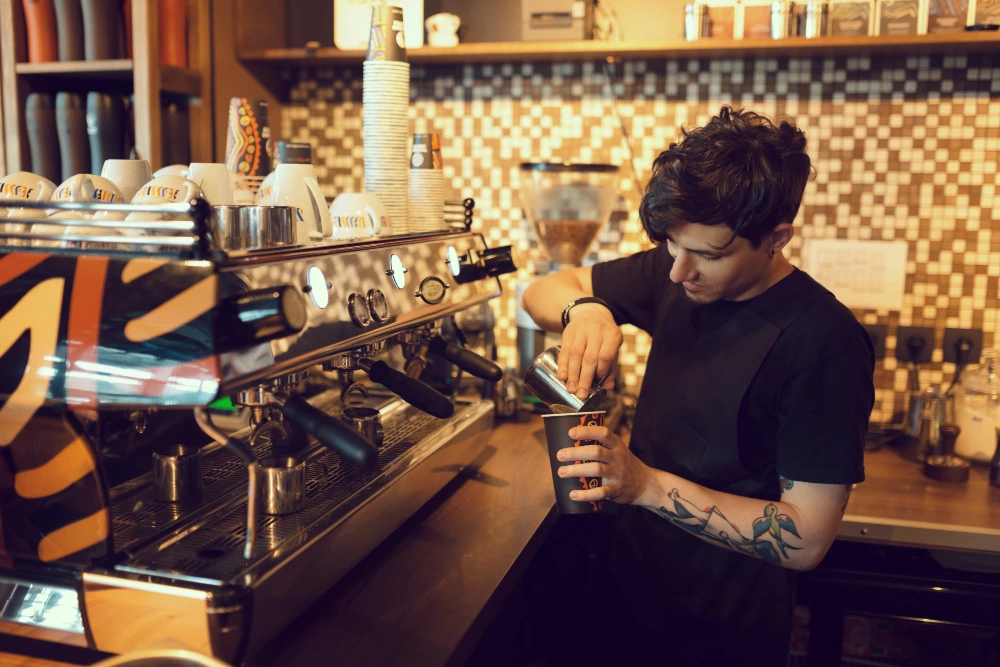
 Commercial coffee bar design plays a key role in enhancing service efficiency and guest experience in cafés and hotels. From smart coffee station cabinets to modern coffee bar cabinet designs, proper storage and layout reduce clutter and improve workflow. Choosing high-quality coffee bar furniture from a trusted manufacturer ensures durability, style, and long-term value. Coffee culture has evolved far beyond a simple beverage service. In cafés, hotels, co-working spaces, and corporate lounges, the coffee bar has become a social hub, a branding element, and a revenue-driving corner. A thoughtfully planned Commercial Coffee Bar Design not only improves workflow for staff but also enhances the guest experience. This is where smart furniture selection and efficient storage play a vital role. From compact hotel lounges to busy café counters, the right coffee bar furniture and storage solutions can transform how a space looks and functions. With rising expectations and changing hospitality trends, businesses now focus on design-driven solutions such as the modern coffee bar cabinet and professionally built Coffee Bar Cabinet units that balance aesthetics with performance. Why Coffee Bar Design Matters in Commercial Spaces In hospitality and food service environments, first impressions matter. Guests often judge the quality of a café or hotel within minutes of entering. A cluttered or poorly planned coffee area can disrupt that experience. A well-designed coffee bar: This is why many businesses now work closely with a coffee bar furniture manufacturer to create purpose-built solutions rather than relying on generic counters. Understanding the Role of Coffee Bar Furniture Furniture forms the backbone of any coffee station. It determines layout, storage capacity, and ease of operation. Quality coffee bar furniture supports heavy daily use while maintaining a polished look. Key furniture elements include: Choosing durable, functional furniture ensures long-term reliability in high-traffic commercial environments. Coffee Bar Cabinet: The Core of Storage and Design At the heart of every coffee station lies the Coffee Bar Cabinet. It is more than storage it defines how smoothly operations run. A well-designed cabinet helps: Businesses increasingly prefer a modern coffee bar cabinet that integrates storage, equipment housing, and design consistency. Coffee Station Cabinet for Efficient Workflow A coffee station cabinet must support speed and organization. Baristas and service staff need quick access to tools without unnecessary movement. An effective coffee station cabinet includes: In hotels, these cabinets are often customized to fit buffet areas or lounge corners, ensuring seamless service during peak hours. Modern Coffee Bar Cabinet Designs for Today’s Spaces Modern hospitality spaces demand clean lines and minimal clutter. A modern coffee bar cabinet focuses on simplicity while maximizing functionality. Popular features include: These cabinets align perfectly with contemporary café and hotel interiors, making them a preferred choice for designers. Top Coffee Bar Cabinet Styles for Commercial Use When selecting from Top Coffee Bar Cabinet options, businesses should focus on both style and durability. Some popular styles include: The right Top Coffee Bar Cabinet enhances the brand image while supporting daily operations. Coffee Bar Furniture for Cafés Cafés rely heavily on efficient layouts to manage customer flow and service speed. Well-planned coffee bar furniture ensures that staff can work comfortably even during rush hours. Important considerations for cafés: A reliable coffee bar furniture manufacturer can customize layouts based on space constraints and service style. Coffee Bar Design for Hotels In hotels, coffee bars often serve as self-service zones, breakfast stations, or lounge features. Furniture must balance aesthetics with ease of use. Hotel coffee bar design focuses on: Hotels often invest in premium coffee bar furniture to maintain a refined guest experience. Storage Solutions That Reduce Clutter Storage plays a crucial role in maintaining a clean coffee bar. Poor storage leads to cluttered counters and inefficient service. Smart storage solutions include: A well-designed coffee station cabinet keeps essentials accessible while maintaining visual order. Material Selection for Coffee Bar Furniture Material choice impacts durability, maintenance, and appearance. Commercial environments require furniture that withstands spills, heat, and constant use. Common materials include: A professional coffee bar furniture manufacturer ensures material selection matches operational needs and design goals. Custom vs Ready-Made Coffee Bar Cabinets Ready-made cabinets may suit small spaces, but custom solutions offer better efficiency. Custom Coffee Bar Cabinet designs allow: Many businesses choose custom options to stand out and improve workflow. Lighting and Display in Coffee Bar Design Lighting enhances both functionality and appeal. Proper lighting highlights menu boards, coffee machines, and display shelves. Effective lighting strategies include: Lighting complements the modern coffee bar cabinet design and improves overall guest perception. How a Coffee Bar Furniture Manufacturer Adds Value Working with a professional coffee bar furniture manufacturer ensures: Manufacturers understand hospitality requirements and deliver furniture that performs under pressure. Maintenance and Longevity Considerations Even the best furniture needs care. Easy-to-clean surfaces and sturdy construction extend lifespan. Regular maintenance includes: High-quality coffee bar furniture retains its appeal and function for years with minimal upkeep. Future Trends in Commercial Coffee Bar Design Coffee bars continue to evolve. Some emerging trends include: These trends influence how the next generation of Top Coffee Bar Cabinet designs are developed. Final Thoughts A commercial coffee bar is more than a service counter it is a focal point of interaction, branding, and experience. Thoughtful Commercial Coffee Bar Design Ideas and Storage Solutions for Cafés & Hotels ensure efficiency, cleanliness, and visual appeal. By investing in durable coffee bar furniture, selecting the right coffee station cabinet, and choosing a functional modern coffee bar cabinet, businesses can elevate their coffee service. Partnering with an experienced coffee bar furniture manufacturer ensures long-lasting performance and design excellence.

Commercial Coffee Bar Design Ideas and Storage Solutions for Cafés & Hotels Read More »

Buffet Layout and Design Solutions

Buffet Layout and Design Solutions to Improve Guest Flow in Hotels & Restaurants

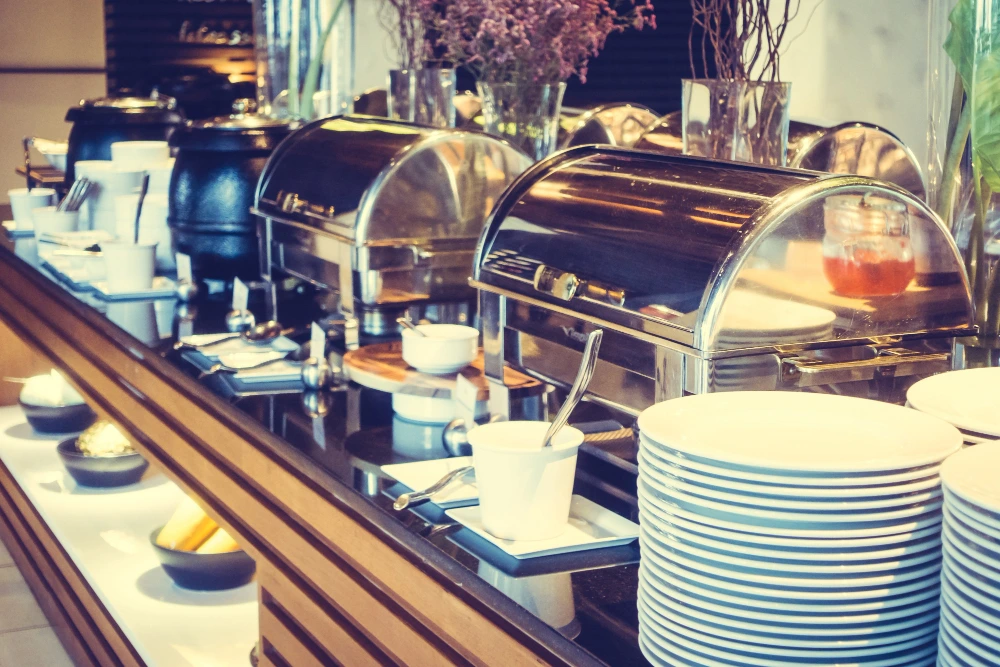
 A well-designed buffet layout plays a crucial role in improving guest flow and dining comfort in hotels and restaurants. From efficient buffet counter design to smart buffet station layout, thoughtful planning reduces congestion and waiting time. Understanding different types of buffet stations helps create smooth, enjoyable dining experiences. A proper buffet setup ultimately enhances guest satisfaction and operational efficiency. In hotels and restaurants, a buffet is more than just a food display it is an experience. Guests may not remember every dish they eat, but they will remember how comfortable or chaotic the buffet felt. Congested counters, unclear food sections, and poor circulation can turn even the best menu into a frustrating experience. This is why thoughtful Buffet Layout and Design Solutions to Improve Guest Flow in Hotels & Restaurants are essential. A well-planned buffet encourages smooth movement, reduces waiting time, and allows guests to enjoy food without stress. From smart buffet counter design to well-organized buffet station layout, every element plays a role in shaping guest satisfaction. With modern hospitality standards rising, hotels and restaurants must treat buffet planning as a core operational strategy, not an afterthought. Why Buffet Layout Matters in Hospitality Spaces Buffets often serve a large number of guests within limited time frames breakfast rushes, lunch hours, or event catering. Without proper planning, bottlenecks form quickly. A good buffet setup helps: Hotels especially rely on an efficient hotel buffet station to manage high volumes while maintaining comfort and hygiene. Understanding Guest Flow in Buffet Areas Guest flow refers to how people move through the buffet from entry point to exit. Poor flow leads to confusion, overcrowding, and discomfort. An effective buffet station layout considers: A thoughtfully designed Buffet Station allows guests to move naturally without needing instructions or signage overload. Core Principles of Buffet Counter Design 1. Clear Food Segmentation Guests should immediately understand where to start and what comes next. Breakfast items, mains, sides, and desserts should follow a logical order. A smart buffet counter design avoids mixing hot and cold foods randomly. Clear segmentation keeps guests moving forward smoothly. 2. Comfortable Counter Height and Depth Counters should be accessible to all guests, including children and elderly diners. Overly deep counters force guests to lean, slowing movement. Professional buffet setup focuses on ergonomics as much as aesthetics. 3. Durable and Hygienic Materials Buffets face constant use. Surfaces must be easy to clean and resistant to spills, heat, and scratches. Hotels often work with commercial suppliers to ensure the hotel buffet station meets hygiene and durability standards. Buffet Station Layout: Planning for Smooth Movement A successful buffet station layout guides guests naturally. The goal is to avoid cross-traffic where people move in opposite directions. Popular layout approaches include: Each Buffet Station should allow guests to serve themselves without blocking others. Types of Buffet Stations and Their Uses Understanding the Types of Buffet Stations helps in choosing the right design for your space. 1. Linear Buffet Station This is the most common type. Food is arranged in a straight line, ideal for smaller spaces and predictable guest flow. 2. Island Buffet Station Placed at the center of the dining area, island stations allow access from all sides. They work best in large hotels with high traffic. 3. Action or Live Cooking Stations These stations create engagement and excitement. However, they need extra space to avoid crowding. 4. Beverage Stations Separating beverages from food stations reduces congestion. This is a crucial tip in effective buffet setup planning. Each of these Types of Buffet Stations serves a different purpose and should be chosen based on guest volume and dining style. Hotel Buffet Station Design Considerations Hotels face unique challenges due to high guest turnover and limited dining hours. A well-planned hotel buffet station must handle peak traffic efficiently. Important considerations include: Modern hotels often use modular Buffet Station designs to adjust layouts based on occupancy. Buffet Setup for Restaurants vs Hotels While hotels prioritize volume and speed, restaurants focus more on presentation and experience. Restaurant buffet setup often: Hotels, on the other hand, rely on structured buffet station layout to manage crowds effectively. Common Buffet Layout Mistakes to Avoid Even visually appealing buffets can fail if flow is ignored. Common mistakes include: Avoiding these errors improves the effectiveness of both buffet counter design and guest satisfaction. Role of Signage and Visual Cues Subtle visual guidance helps guests move confidently. Signs, menu labels, and floor cues reduce hesitation. Good signage supports: This complements the physical buffet station layout and improves the overall buffet setup. Accessibility and Guest Comfort Inclusive design matters. Buffets should be usable by guests with mobility challenges. Consider: A thoughtfully designed Buffet Station ensures comfort for all guests, not just speed. Lighting and Ambience in Buffet Areas Lighting affects how food looks and how guests feel. Warm lighting enhances presentation, while adequate brightness ensures safety. Good lighting enhances: It is an often-overlooked part of buffet counter design. Maintaining Efficiency During Peak Hours Peak hours test any buffet layout. Smart planning helps maintain order. Hotels often: These strategies improve flow without expanding space. Future Trends in Buffet Station Design Modern hospitality is shifting toward flexibility and hygiene. Emerging trends include: These innovations redefine how buffet setup works in modern hotels and restaurants. Final Thoughts An efficient buffet is not accidental it is designed. Thoughtful Buffet Layout and Design Solutions to Improve Guest Flow in Hotels & Restaurants enhance comfort, reduce stress, and elevate dining experiences. By focusing on smart buffet counter design, choosing the right Types of Buffet Stations, and planning an intuitive buffet station layout, hotels and restaurants can serve guests smoothly even during peak hours. A well-executed hotel buffet station reflects professionalism, care, and attention to detail qualities guests always remember.

Buffet Layout and Design Solutions to Improve Guest Flow in Hotels & Restaurants Read More »

Commercial Lobby Furniture

Commercial Lobby Furniture Design for Hotels, Offices & Hospitality Spaces

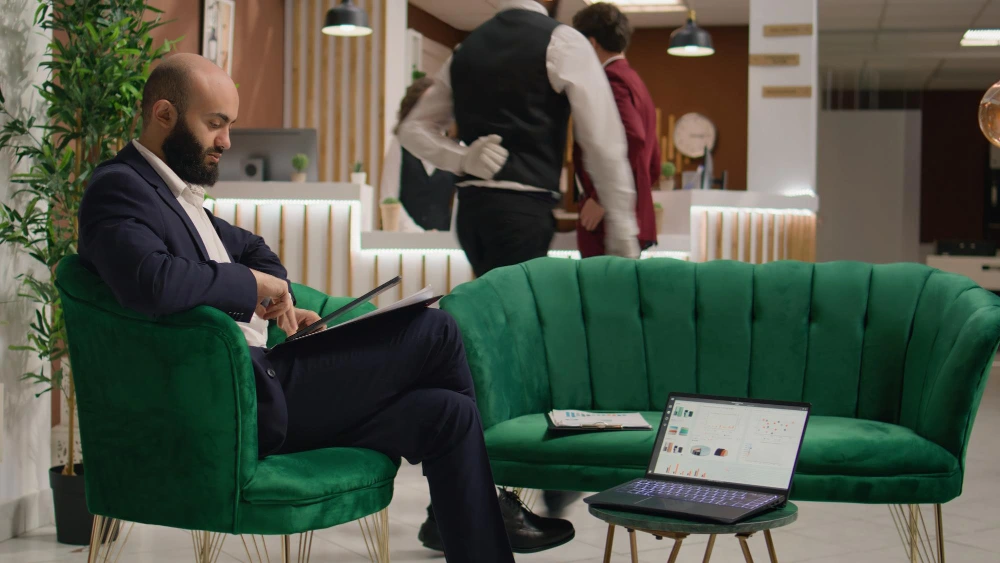
Commercial lobby furniture design plays a vital role in shaping first impressions across hotels, offices, and hospitality spaces. From hotel reception furniture to modular seating, modern lobby design balances comfort, durability, and aesthetics. By following Hotel Furniture Trends and choosing the best hotel lobby furniture from a trusted commercial furniture manufacturer, businesses can create welcoming and functional spaces. The lobby is the first space people experience when they enter a hotel, office, or hospitality property. Before service, before rooms, before conversations design speaks. A well-planned lobby instantly communicates comfort, professionalism, and brand identity. That is why Commercial Lobby Furniture Design for Hotels, Offices & Hospitality Spaces plays a critical role in shaping first impressions. Today, lobbies are no longer just waiting areas. They are social hubs, meeting points, informal workspaces, and brand statements. Choosing the right lobby furniture for hotels and offices requires a thoughtful balance of aesthetics, durability, and functionality. With evolving Hotel Furniture Trends, businesses are investing more in design-led furniture that enhances both user experience and operational efficiency. Why Lobby Furniture Design Matters More Than Ever A lobby sets expectations. Guests subconsciously judge the quality of service based on how a space feels the moment they walk in. Comfortable seating, welcoming layouts, and coordinated finishes create trust and ease. For hotels, the lobby becomes a shared living room. For offices, it reflects corporate culture. For hospitality spaces, it defines guest flow and comfort. This is where carefully selected hotel reception furniture and seating arrangements make a visible difference. Modern businesses increasingly work with a reliable commercial furniture manufacturer to ensure furniture meets both visual and performance standards. Understanding the Purpose of a Commercial Lobby Before selecting furniture, it is important to understand how the lobby will be used. Common lobby functions include: The design must support movement while avoiding clutter. Choosing the Best Hotel Lobby Furniture starts with understanding traffic flow and guest behavior. Key Elements of Commercial Lobby Furniture Design Reception Desks That Make a Strong First Impression The reception desk is the focal point of most lobbies. Well-designed hotel reception furniture should feel welcoming while allowing staff to work efficiently. Important features include: Many modern Hotel Furniture Trends favor clean lines, subtle lighting, and integrated technology at reception counters. Seating That Balances Comfort and Style Seating is one of the most visible elements in any lobby. Sofas, lounge chairs, ottomans, and benches must be comfortable yet durable. When selecting lobby furniture for hotels, consider: The Best Hotel Lobby Furniture allows guests to relax without feeling crowded or disconnected from the space. Tables and Accent Pieces That Complete the Look Coffee tables, side tables, and display units may seem secondary, but they shape usability. Guests often place bags, devices, or drinks on these surfaces. A professional commercial furniture manufacturer ensures: These pieces quietly enhance comfort and organization. Commercial Lobby Furniture for Hotels Hotels require lobby furniture that feels luxurious yet practical. The space must support short stays, long waits, and social interactions. Modern lobby furniture for hotels focuses on: With changing guest expectations, Hotel Furniture Trends now emphasize flexible spaces where guests can work, relax, or socialize without leaving the lobby. Lobby Furniture Design for Office Spaces Office lobbies reflect professionalism and brand values. They are often used by clients, partners, and employees alike. Office lobby furniture should: Many offices rely on a trusted commercial furniture manufacturer to deliver customized solutions that match corporate branding. Unlike hotels, office spaces often favor minimalist Best Hotel Lobby Furniture styles adapted for professional environments. Hospitality Spaces Beyond Hotels Restaurants, resorts, co-working spaces, and serviced apartments also depend heavily on lobby design. In such environments, furniture must be adaptable and visually inviting. Here, hotel reception furniture often blends with lounge-style seating to create a relaxed yet premium feel. This hybrid approach is one of the strongest emerging Hotel Furniture Trends. Materials That Define Quality and Durability Material choice directly affects longevity and maintenance. High-traffic lobbies require materials that perform well over time. Common materials include: A reliable commercial furniture manufacturer helps businesses select materials that balance appearance with durability, especially for lobby furniture for hotels. Hotel Furniture Trends Shaping Modern Lobbies The hospitality industry is constantly evolving. Some key Hotel Furniture Trends influencing lobby design today include: Flexible and Modular Furniture Modular seating allows easy reconfiguration based on guest flow and events. Warm, Natural Finishes Wood tones and textured fabrics create welcoming environments. Technology Integration Charging points and smart lighting are now common additions. Sustainable Materials Eco-conscious furniture is becoming a priority for many hotels and offices. These trends help define what qualifies as the Best Hotel Lobby Furniture in today’s market. Custom vs Ready-Made Lobby Furniture While ready-made furniture offers convenience, custom-designed furniture provides better alignment with brand identity. Custom solutions allow: This is why many businesses partner directly with a commercial furniture manufacturer for tailor-made hotel reception furniture and lobby seating. How GroupOrise Supports Commercial Lobby Furniture Needs As a trusted name in commercial furniture solutions, GroupOrise focuses on delivering furniture that combines design, durability, and comfort. By understanding evolving Hotel Furniture Trends, GroupOrise helps hospitality and office spaces select furniture that enhances user experience while maintaining long-term value. From reception counters to lounge seating, GroupOrise works closely with clients to deliver functional and stylish lobby furniture for hotels and commercial spaces. Choosing the Best Hotel Lobby Furniture: Practical Tips When selecting lobby furniture, consider: The Best Hotel Lobby Furniture is not just visually appealing it supports smooth operations and guest comfort every day. Maintenance and Longevity Considerations Even high-quality furniture needs care. Regular cleaning, proper placement, and timely repairs extend lifespan. A professional commercial furniture manufacturer often provides guidance on maintenance practices, especially for high-traffic hotel reception furniture and seating areas. Final Thoughts A well-designed lobby is more than a visual feature it is a functional, emotional, and commercial asset. Thoughtful Commercial Lobby Furniture Design for Hotels, Offices & Hospitality Spaces creates welcoming environments that guests and clients remember. By selecting high-quality lobby furniture for hotels,

Commercial Lobby Furniture Design for Hotels, Offices & Hospitality Spaces Read More »

Furniture Planning for Modern Hotels

A Complete Guide to Furniture Planning for Modern Hotels

This comprehensive guide covers everything hotels need to know about furniture planning from core categories and design principles to emerging hospitality furniture trends and practical ideas for every space. Learn how thoughtful selection of hotel furniture enhances comfort, reflects brand identity, supports operations, and elevates guest experiences in modern properties. In a crowded hospitality landscape where guest expectations constantly evolve, hotel design has become a critical differentiator. More than ever, the furniture for hotels plays a pivotal role in shaping guest experiences impacting comfort, function, aesthetics, and brand perception. From lobby seating and restaurant dining sets to guest room essentials and outdoor lounges, thoughtful furniture planning can elevate operational efficiency and deliver memorable stays. This comprehensive guide covers everything you need to know about hotel furniture, including: Whether you’re designing a boutique property or renovating a luxury chain, this guide will help you make informed decisions that strengthen your brand and guest experience. Why Furniture Matters in Hotel Design At first glance, furniture may seem like a finishing touch but in hotels it serves far deeper purposes: 1. Enhancing Guest Comfort Guests expect comfort at every touchpoint, from the lobby to the room, restaurant, lounge, and outdoor spaces. Well-selected furniture contributes to restful sleep, relaxed social interaction, and enjoyable dining. 2. Supporting Brand Identity Furniture speaks a silent language. The right selection strengthens a hotel’s identity whether contemporary chic, heritage luxury, eco-friendly, or minimal zen. It reinforces brand storytelling in a visual and tactile way. 3. Improving Operational Efficiency Durability, ease of cleaning, modularity, and smart layout reduce maintenance costs, speed cleaning turnaround, and enhance staff productivity especially in high-traffic environments. 4. Influencing Revenue Furniture can influence guest behavior and purchases. Comfortable lobby seating encourages social stays and bar sales; inviting outdoor lounge sets increase F&B revenue; well-placed work desks boost business traveler satisfaction. Furniture planning is therefore both an aesthetic art and a functional science and this duality is central to modern hospitality success. Principles of Furniture Planning for Hotels Effective hotel furniture planning considers these core principles: 1. Define Functional Zones Every space should have a clear purpose: Each zone has unique requirements in terms of seating arrangements, durability, mobility, and user comfort. 2. Balance Aesthetics and Durability Hotels face heavy use. Furniture must be beautiful, practical, and long-lasting. Materials like powder-coated metal, treated hardwoods, performance fabrics, and commercial-grade upholstery withstand wear and tear while maintaining appearance. 3. Prioritize Ergonomics Furniture should support natural postures and facilitate comfort over extended periods whether guests are dining, working, lounging, or resting. Ergonomics influence guest satisfaction and repeat stays. 4. Consider Flexibility and Modularity Modular furniture allows easy reconfiguration for events, peak occupancy, or changing seasonal needs. Stackable chairs, movable tables, and lightweight lounge sets offer adaptability. 5. Integrate Lighting and Spatial Flow Furniture placement should complement natural light, circulation paths, and focal points. Poorly placed pieces block movement, create congestion, and degrade the guest experience. Core Categories of Hotel Furniture Hospitality furniture can be grouped into key categories, each with distinct planning considerations: 1. Lobby Furniture The lobby is a guest’s first impression. It must be warm, welcoming, and functional. Must-have items: Furniture ideas: 2. Guest Room Furniture Guest rooms require both practical and comfortable furniture that supports rest, work, and relaxation. Essential pieces: Design considerations: 3. Restaurant and Bar Furniture Dining spaces must facilitate smooth guest service while conveying style. Common selections: Hospitality furniture trends: 4. Conference & Banquet Furniture Event spaces require versatile furniture that accommodates multiple functions. Typical fixtures: 5. Outdoor Lounge & Poolside Furniture Outdoor hospitality furniture must resist the elements while remaining stylish. Durable options: Furniture ideas: Emerging Hotel Furniture Trends To stay ahead in hospitality design, consider these hotel furniture trends influencing modern spaces: 1. Multi-Functional Pieces Furniture that serves more than one purpose like a desk that doubles as a dining nook maximizes utility in compact rooms. 2. Sustainable Materials Eco-friendly hospitality furniture made from recycled metals, reclaimed woods, and biodegradable fabrics is gaining popularity among conscious travelers. 3. Curved and Organic Forms Soft, curving shapes in seating and tables create inviting, human-centric spaces and soften angular architectural lines. 4. Tech-Integrated Furniture Charging ports, built-in lighting, and smart surfaces are becoming standard especially in rooms and work lounges. 5. Bold Accent Pieces Statement chairs, colorful bench seating, and sculptural tables add personality and support brand storytelling. Furniture Ideas for Every Hotel Zone Below are inspirational furniture concepts that elevate guest experience: • Lobby • Guest Rooms • Dining Areas • Conference & Events • Outdoor Showcases Hospitality Furniture Selection Checklist When choosing furniture for hotels, use this checklist to ensure quality and performance: Durability: Commercial-grade frames and finishesComfort: Ergonomic design for extended useMaintenance: Easy-to-clean surfaces and replaceable partsBrand Fit: Aligns with overall design themeSafety: Fire-retardant fabrics and secure fasteningsFunctionality: Supports multiple guest needs How Furniture Impacts Guest Experience and Revenue Well-planned furniture doesn’t just beautify space it drives meaningful outcomes: 1. Guest Satisfaction Comfortable rooms and welcoming public spaces lead to higher reviews and repeat bookings. 2. Increased Dwell Time Inviting lobbies and lounges encourage guests to spend more time (and money) within the property. 3. Operational Efficiency Appropriate hospitality furniture helps staff deliver efficient housekeeping, room setup, and event services. 4. Revenue Growth Strategic dining and outdoor furniture can boost food & beverage revenue and increase venue rentals. Common Mistakes in Hotel Furniture Planning Avoid these pitfalls when designing hotel interiors: Choosing residential furniture instead of commercial-gradePrioritizing looks over comfortIgnoring maintenance and replacement costsForgetting ergonomics in guest roomsInadequate outdoor protection against weather Conclusion Hotel furniture planning is an essential component of the modern hospitality strategy. Beyond visual appeal, it shapes comfort, circulation, brand expression, and guest satisfaction. By understanding functional requirements, embracing trends, and selecting quality materials, you can create hotel spaces that stand out in a competitive market. The right hotel furniture transforms standard stays into unforgettable experiences. Whether you’re outfitting a boutique boutique property or a luxury resort, strategic furniture planning bridges aesthetics with performance and helps your property

A Complete Guide to Furniture Planning for Modern Hotels Read More »

Tables for Banquet Spaces

Essential Factors to Consider When Selecting Tables for Banquet Spaces

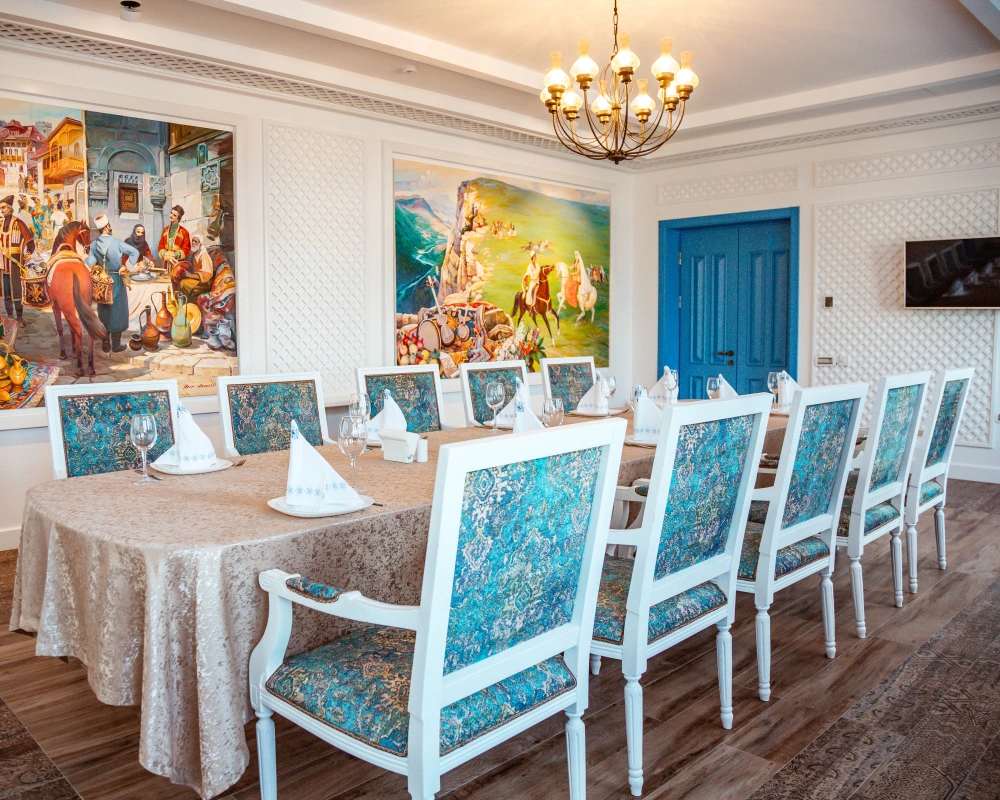
Choosing the right banquet tables is essential for creating functional, comfortable, and visually appealing event spaces. From table size and material to versatility and compatibility with banquet chairs, every factor impacts guest experience and event flow. This guide highlights key considerations to help venues and planners select banquet tables that balance durability, style, and long-term value. Thoughtful banquet furniture choices elevate hospitality standards and ensure successful events. Creating the perfect banquet environment isn’t just about delicious food, impressive décor, or seamless service; it starts with selecting the right banquet tables and banquet furniture. Whether you’re orchestrating a wedding, corporate gala, fundraiser, or hotel event, choosing tables that complement the purpose, ambience, and practical needs of your space is essential for success. In this guide, we’ll explore the essential factors to consider when selecting banquet tables for events from size and shape to durability, versatility, and customization so you can elevate every guest’s experience. 1. Understanding the Role of Banquet Tables in Event Settings Before diving into specifics, it’s vital to understand why the right banquet tables matter. A banquet table is more than just a place to hold food and drink it’s a central feature of your event layout. Guests interact with tables throughout the entire event: dining, networking, writing, and socializing. A well-chosen table enhances functionality, optimizes space, and contributes to the overall aesthetics of the venue. Coupled with Perfect Banquet Chairs for Events & Venues, the right tables shape the atmosphere and help ensure guests feel comfortable and organized. 2. Determine the Function and Layout of Your Event Your first step should always be defining the purpose of the banquet. The answers inform your choice of shape and size. Round Tables Round tables are ideal when interaction is important. They promote inclusivity but require more floor space. Rectangular and Banquet Tables Rectangular tables maximize seating in narrow spaces and support streamlined service. Square and Specialty Shapes These shapes often offer both style and function creating interest and flexibility. 3. Size Matters: Audience Size & Space Planning Once the event format is clear, you must consider space planning and guest capacity. Table size impacts flow, comfort, and even safety. Common Table Sizes: TIP: Allow at least 24–30 inches between chairs around a table and 36 inches between tables for easy circulation and service. Proper spacing is doubly important when paired with Perfect Banquet Chairs for Events & Venues ensuring guests have enough personal space and event staff can serve smoothly. 4. Material and Durability: What Your Tables Are Made Of Banquet tables take a lot of wear and tear spills, temperature changes, heavy decorations, and constant movement. Choosing durable materials is crucial to long-term use and cost-effectiveness. Popular Banquet Table Materials Wood Plastic / Resin Metal Frames Often paired with laminate or resin tops, metal frames boost stability and longevity. Consider maintenance requirements too. A heavy wooden table might look beautiful, but if it’s hard to clean after every event, it could slow down turnover. 5. Comfort Counts: Pairing Tables with Ideal Seating A banquet table alone doesn’t make a seating plan complete. The Importance of Banquet Chairs in Hospitality cannot be overstated. Your table choice must complement your seating in both style and function. Banquet Chair Features to Look For Guests quickly judge an event based on comfort uncomfortable seating paired with poorly chosen table heights can result in a less enjoyable experience. Read More:- Banquet Chair Features 6. Flexibility & Versatility for Multiple Event Types Many venues host a range of events from weddings to business workshops to community gatherings. Choosing tables that offer versatility is a strategic investment. Modular & Multi-Functional Tables The best banquet tables and seating solutions give you the freedom to transform a space without buying new furniture for every event. 7. Aesthetic Appeal: Style, Color, and Event Theme A table that is functional but visually uninspiring can drag down even the most well-designed event décor. Consider how table styles align with your venue theme. Visual Considerations Table shape that supports the event’s flowFinishes that match décor (wood, white laminate, black frame, etc.)Pairing with chair styles that enhance ambiance For example, a rustic wedding may shine with wooden banquet tables and vintage upholstered chairs, while corporate events may benefit from sleek laminate tables with cushioned conference chairs. 8. Ease of Setup, Transport, and Storage Behind every beautiful banquet is a logistics plan. The ease with which your team can set up, move, and store banquet tables affects labor costs, turnaround time, and event efficiency. Pro Tips When your banquet furniture is easy to handle, you minimize labor hours and maximize readiness for back-to-back bookings. 9. Budget and Long-Term Value Budget planning isn’t just about upfront cost, it’s about long term value. High-quality banquet tables may cost more initially, but they:Last longerRequire less maintenanceImprove guest satisfactionReduce replacement costs While cost-effective options like basic plastic tables have their place, striking the right balance between durability and aesthetics ensures maximum return on investment. 10. Choosing the Right Banquet Furniture Manufacturer Selecting a reliable banquet furniture manufacturer is essential for achieving quality, consistency, and customization. What to Look For A good manufacturer can also provide guidance on the best table and chair combinations tailored to your venue’s needs. 11. Matching Tables With Event Types Different event types require different table solutions: Event Type Ideal Table Style Wedding Receptions Round or Banquet tables with elegant finishes Conferences Rectangular tables with power access Gala Dinners Premium quality wood or polished tables Trade Shows Flexible modular tables Banquets & Award Nights Large banquet tables with coordinated chairs This adaptability ensures that every event you host is optimized for purpose and guest experience. 12. Safety and Compliance Considerations Banquet tables must be stable, level, and meet safety standards, especially in high-traffic venues like hotels and event halls. Be sure to consider:Stability features (anti-tip design)Fire safety compliance (especially with upholstery and finishes)Non-slip surfaces for service staff Your furniture should support safety as much as style. Conclusion: Choosing Tables That Transform Your

Essential Factors to Consider When Selecting Tables for Banquet Spaces Read More »

Scroll to Top