
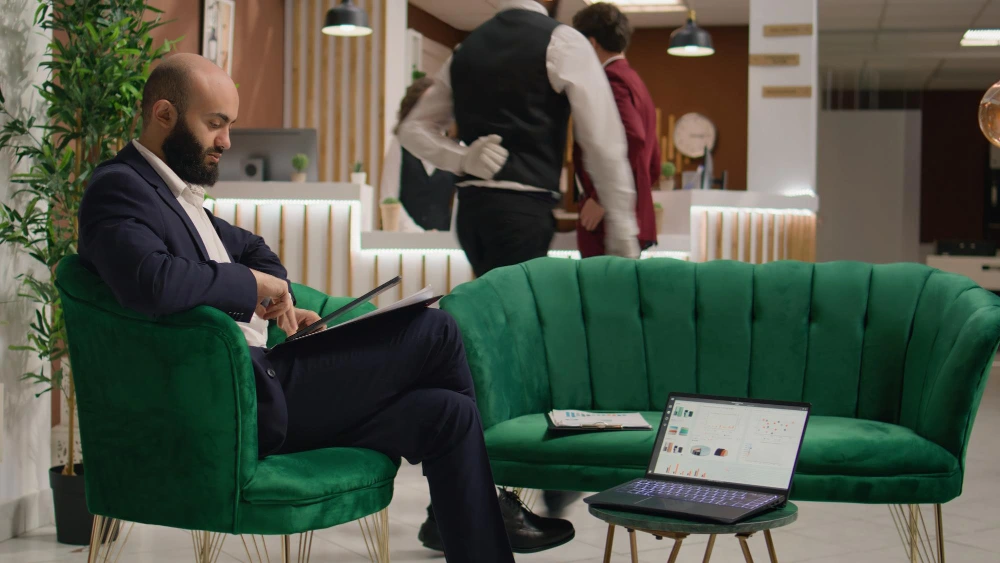
This comprehensive guide covers everything hotels need to know about furniture planning from core categories and design principles to emerging hospitality furniture trends and practical ideas for every space. Learn how thoughtful selection of hotel furniture enhances comfort, reflects brand identity, supports operations, and elevates guest experiences in modern properties.
In a crowded hospitality landscape where guest expectations constantly evolve, hotel design has become a critical differentiator. More than ever, the furniture for hotels plays a pivotal role in shaping guest experiences impacting comfort, function, aesthetics, and brand perception. From lobby seating and restaurant dining sets to guest room essentials and outdoor lounges, thoughtful furniture planning can elevate operational efficiency and deliver memorable stays.
This comprehensive guide covers everything you need to know about hotel furniture, including:
- Key principles of furniture planning
- Categories of hospitality furniture
- Emerging hotel furniture trends
- Practical furniture ideas for each hotel zone
- How furniture impacts guest satisfaction and profitability
Whether you’re designing a boutique property or renovating a luxury chain, this guide will help you make informed decisions that strengthen your brand and guest experience.
Why Furniture Matters in Hotel Design
At first glance, furniture may seem like a finishing touch but in hotels it serves far deeper purposes:
1. Enhancing Guest Comfort
Guests expect comfort at every touchpoint, from the lobby to the room, restaurant, lounge, and outdoor spaces. Well-selected furniture contributes to restful sleep, relaxed social interaction, and enjoyable dining.
2. Supporting Brand Identity
Furniture speaks a silent language. The right selection strengthens a hotel’s identity whether contemporary chic, heritage luxury, eco-friendly, or minimal zen. It reinforces brand storytelling in a visual and tactile way.
3. Improving Operational Efficiency
Durability, ease of cleaning, modularity, and smart layout reduce maintenance costs, speed cleaning turnaround, and enhance staff productivity especially in high-traffic environments.
4. Influencing Revenue
Furniture can influence guest behavior and purchases. Comfortable lobby seating encourages social stays and bar sales; inviting outdoor lounge sets increase F&B revenue; well-placed work desks boost business traveler satisfaction.
Furniture planning is therefore both an aesthetic art and a functional science and this duality is central to modern hospitality success.
Principles of Furniture Planning for Hotels
Effective hotel furniture planning considers these core principles:
1. Define Functional Zones
Every space should have a clear purpose:
- Lobby & Reception
- Guest Rooms
- Restaurants & Bars
- Conference & Meeting Rooms
- Outdoor & Pool Areas
- Lounges & Waiting Spaces
Each zone has unique requirements in terms of seating arrangements, durability, mobility, and user comfort.
2. Balance Aesthetics and Durability
Hotels face heavy use. Furniture must be beautiful, practical, and long-lasting. Materials like powder-coated metal, treated hardwoods, performance fabrics, and commercial-grade upholstery withstand wear and tear while maintaining appearance.
3. Prioritize Ergonomics
Furniture should support natural postures and facilitate comfort over extended periods whether guests are dining, working, lounging, or resting. Ergonomics influence guest satisfaction and repeat stays.
4. Consider Flexibility and Modularity
Modular furniture allows easy reconfiguration for events, peak occupancy, or changing seasonal needs. Stackable chairs, movable tables, and lightweight lounge sets offer adaptability.
5. Integrate Lighting and Spatial Flow
Furniture placement should complement natural light, circulation paths, and focal points. Poorly placed pieces block movement, create congestion, and degrade the guest experience.
Core Categories of Hotel Furniture
Hospitality furniture can be grouped into key categories, each with distinct planning considerations:
1. Lobby Furniture
The lobby is a guest’s first impression. It must be warm, welcoming, and functional.
Must-have items:
- Reception desk seating and consoles
- Lounge sofas and armchairs
- Coffee tables and side tables
- Wayfinding signage and console units
Furniture ideas:
- Curved lounge seating to encourage social interaction
- Statement accent chairs that reflect the brand palette
- Integrated charging tables in seating clusters
2. Guest Room Furniture
Guest rooms require both practical and comfortable furniture that supports rest, work, and relaxation.
Essential pieces:
- Beds and headboards
- Nightstands
- Desks and ergonomic chairs
- Wardrobes and storage units
- Lounge chairs and ottomans
Design considerations:
- Use memory foam or premium mattresses for comfort
- Provide thoughtful storage (luggage racks, wardrobes)
- Include flexible lighting for reading and working
3. Restaurant and Bar Furniture
Dining spaces must facilitate smooth guest service while conveying style.
Common selections:
- Dining chairs with easy-clean upholstery
- Communal tables for groups
- Bar stools with ergonomic support
- Outdoor café sets for patios
Hospitality furniture trends:
- Mixed seating layouts for variety
- Natural materials like rattan, teak, and stone
- High bars for social gatherings
4. Conference & Banquet Furniture
Event spaces require versatile furniture that accommodates multiple functions.
Typical fixtures:
- Stackable banquet chairs
- Folding and extendable tables
- Conference pod seating
- AV-friendly desks and podiums
5. Outdoor Lounge & Poolside Furniture
Outdoor hospitality furniture must resist the elements while remaining stylish.
Durable options:
- Stainless steel or aluminum frames
- Sun-resistant wicker
- Weatherproof cushions and fabrics
- Umbrellas and shade structures
Furniture ideas:
- Daybeds and cabanas for poolside relaxation
- Bistro sets for café terraces
- Outdoor sofas with modular sections
Emerging Hotel Furniture Trends
To stay ahead in hospitality design, consider these hotel furniture trends influencing modern spaces:
1. Multi-Functional Pieces
Furniture that serves more than one purpose like a desk that doubles as a dining nook maximizes utility in compact rooms.
2. Sustainable Materials
Eco-friendly hospitality furniture made from recycled metals, reclaimed woods, and biodegradable fabrics is gaining popularity among conscious travelers.
3. Curved and Organic Forms
Soft, curving shapes in seating and tables create inviting, human-centric spaces and soften angular architectural lines.
4. Tech-Integrated Furniture
Charging ports, built-in lighting, and smart surfaces are becoming standard especially in rooms and work lounges.
5. Bold Accent Pieces
Statement chairs, colorful bench seating, and sculptural tables add personality and support brand storytelling.
Furniture Ideas for Every Hotel Zone
Below are inspirational furniture concepts that elevate guest experience:
• Lobby
- High-back sofas for privacy
- Modular lounges for flexible seating
- Artistic console tables
- Integrated planter and seat combos
• Guest Rooms
- Upholstered headboards for comfort and style
- Floating desks to save floor space
- Built-in bedside USB hubs
- Leather benches for luggage and seating
• Dining Areas
- Mixed chair styles for visual diversity
- Long communal tables for social dining
- Low lounge corners for post-meal relaxation
- Outdoor café sets that reflect local climate
• Conference & Events
- Stackable banquet seating for space efficiency
- Elegant banquet tables with laminate finishes
- Modular partitions with acoustic panels
- Custom lecterns with integrated technology
• Outdoor Showcases
- Weatherproof wicker lounges
- Poolside chaise lounges with cushions
- Adjustable umbrellas and shade sails
- Outdoor fire pit seating for evening ambience
Hospitality Furniture Selection Checklist
When choosing furniture for hotels, use this checklist to ensure quality and performance:
Durability: Commercial-grade frames and finishes
Comfort: Ergonomic design for extended use
Maintenance: Easy-to-clean surfaces and replaceable parts
Brand Fit: Aligns with overall design theme
Safety: Fire-retardant fabrics and secure fastenings
Functionality: Supports multiple guest needs
How Furniture Impacts Guest Experience and Revenue
Well-planned furniture doesn’t just beautify space it drives meaningful outcomes:
1. Guest Satisfaction
Comfortable rooms and welcoming public spaces lead to higher reviews and repeat bookings.
2. Increased Dwell Time
Inviting lobbies and lounges encourage guests to spend more time (and money) within the property.
3. Operational Efficiency
Appropriate hospitality furniture helps staff deliver efficient housekeeping, room setup, and event services.
4. Revenue Growth
Strategic dining and outdoor furniture can boost food & beverage revenue and increase venue rentals.
Common Mistakes in Hotel Furniture Planning
Avoid these pitfalls when designing hotel interiors:
Choosing residential furniture instead of commercial-grade
Prioritizing looks over comfort
Ignoring maintenance and replacement costs
Forgetting ergonomics in guest rooms
Inadequate outdoor protection against weather
Conclusion
Hotel furniture planning is an essential component of the modern hospitality strategy. Beyond visual appeal, it shapes comfort, circulation, brand expression, and guest satisfaction. By understanding functional requirements, embracing trends, and selecting quality materials, you can create hotel spaces that stand out in a competitive market.
The right hotel furniture transforms standard stays into unforgettable experiences. Whether you’re outfitting a boutique boutique property or a luxury resort, strategic furniture planning bridges aesthetics with performance and helps your property deliver exceptional hospitality.